Chicken Coop Setup Checklist: Everything You Need to Start
By ChickenGearGuide · Updated September 2026
Independent editorial guide. We never accept payment for coverage, though we may earn a commission if you purchase through our links.
Quick Take
The short list is smaller than the shops make it look. To start a small flock you need a coop sized to the birds, a feeder, a waterer, bedding, a roost bar, a nest box for every three or four hens, and a run wrapped in half-inch hardware cloth. If you're starting with chicks rather than grown hens, add a brooder and a heat plate. Everything else is optional, and most of it you won't miss.
Buy the coop and the run wire first, and buy them a week before the birds so you can build in daylight without a deadline. The single most common beginner mistake is a coop bought on its headline hen count, which runs about double what it can actually hold. Size it on real floor space instead.
The five essentials we would start a flock with are below, with the rest linked as we go: See the kit ↓

Setting up for chickens is mostly done before a single bird arrives, and that's the good news: get the coop, the run and the feeding sorted in advance and the birds themselves are the easy part. The trap is buying the coop and gear as separate impulse purchases off whatever ranks first, ending up with a coop too small, a run a raccoon can open, and three feeders you didn't need.
This is the whole checklist, category by category, with what actually matters in each and a pick we would start with. We haven't run every one of these through years of use, and where the evidence is thin we would rather say so than guess, so treat this as the setup we would build ourselves rather than a lab result. Work top to bottom and you'll have a flock housed safely without buying twice.
1. The coop, sized to the flock
The coop is the one thing to get right first, because everything else fits around it. A hen needs about four square feet of coop floor, and the capacity claims on prefab coops run to roughly twice what the real floor allows, so measure the enclosed sleeping area and divide by four before you trust any listing. Plastic coops clean easily and resist mites but cost a lot; wooden coops are cheaper and need a coat of preserver and a latch upgrade.
Work out the size you need with the coop size calculator, then see which coops are actually worth buying in our roundup of the best chicken coops. Not sure how many birds to keep in the first place? The flock size calculator works it back from the eggs you want.
2. A feeder that doesn't spill
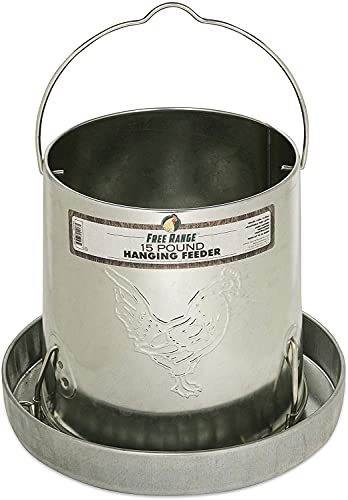
Any bowl feeds chickens. The reason to buy a proper feeder is waste: an open trough lets hens bill feed onto the ground where it spoils and draws rats, and that lost feed is a bigger long-run cost than the feeder. A hanging feeder at back height is the cheap fix; a treadle feeder that closes to wild birds and rodents is the thorough one. One feeder covers a small flock.
See how much your flock will eat and cost with the feed cost calculator, and compare the designs in our chicken feeder buying guide.
3. A waterer, and a plan for winter
Water is the daily non-negotiable, and the main choice is a top-fill drinker you refill without flipping, or a nipple or cup system plumbed to a bucket that stays cleaner. Either works for a small flock. The real question is winter: if your water freezes, you'll want a heated base or a heated waterer, because carrying thawed water out twice a day gets old fast.
The nipple-versus-cup guide covers the everyday choice, and the best heated waterer guide handles the freeze.
4. Bedding, a roost, and nest boxes
Inside the coop you need three cheap things. Bedding on the floor, pine shavings or a deep-litter setup, never cedar, which is toxic to chickens. A roost bar higher than the nest boxes, because hens want to sleep at the highest point and will pack into the boxes and foul them if the roost is too low. And one nest box for every three or four hens, no more, since they share and queue for a favorite.
We work through the options in the coop bedding guide, the roost bar setup, and the nest box guide.
5. The run and predator-proofing, which is the part that matters
This is where a setup is safe or isn't, and it's the step beginners most often skip. Chicken wire keeps chickens in and stops nothing coming the other way. What actually holds a raccoon is half-inch hardware cloth over every opening, with an apron of it staked flat or buried outward around the base so a digging predator can't get under the wall. Add a latch a raccoon can't turn, a barrel bolt with a carabiner through it rather than a simple slide. The coop itself is shelter; the run wire is the defense.
Our hardware cloth guide covers gauge and coverage, and an automatic coop door is the convenience layer behind the wire, once the wire is right.
6. Only if you're starting with chicks
Grown hens go straight into the coop. Chicks need six weeks in a brooder first, and the one piece of gear to get right there's warmth. A radiant heat plate has largely replaced the heat lamp for good reason: a heat lamp is a leading cause of coop fires, while a plate the chicks huddle under stays cool to the touch. You also need a draft-free brooder box, a chick feeder and waterer, and chick starter feed.
The heat plate versus heat lamp guide explains why, and if you're hatching your own, start with the best incubator for beginners.
What you can skip at the start
Plenty of the chicken aisle is optional. Automatic doors, coop cameras, heated perches, swings and most supplements are things to add once the flock is settled, not on day one. The exception is anything for safety: the hardware cloth isn't optional, and neither is a plan for water in a freeze. Get the housing, the feeding and the predator wire right, and you can add the rest at your own pace as you learn what your flock actually needs.
Recommended
Products related to this guide.