The 12 Best Cold-Hardy Chicken Breeds for Cold Winters
By ChickenGearGuide · Updated September 2026
Independent editorial guide. We never accept payment for coverage, though we may earn a commission if you purchase through our links.
Quick Take
The most cold-hardy chicken breeds all share two things: a small comb with little to freeze, and a heavy, densely feathered body that holds heat. The standouts are the Chantecler (bred in Quebec to lay through Canadian winters), the Wyandotte, Brahma, Buckeye, Dominique and Ameraucana, all with pea, rose or cushion combs. Heavy single-combed layers like the Buff Orpington, Australorp, Plymouth Rock and Rhode Island Red also do well through cold weather, as long as you watch the comb for frostbite.
One thing matters more than the breed, though: damp, not cold, is what hurts a flock in winter. A dry, well-ventilated coop and a waterer that won't freeze do more to carry chickens through a hard winter than any breed name on this page. Pick a hardy breed, then spend on keeping the coop dry and the water liquid.
The winter gear that carries a flock through the cold, whatever the breed: See the gear ↓
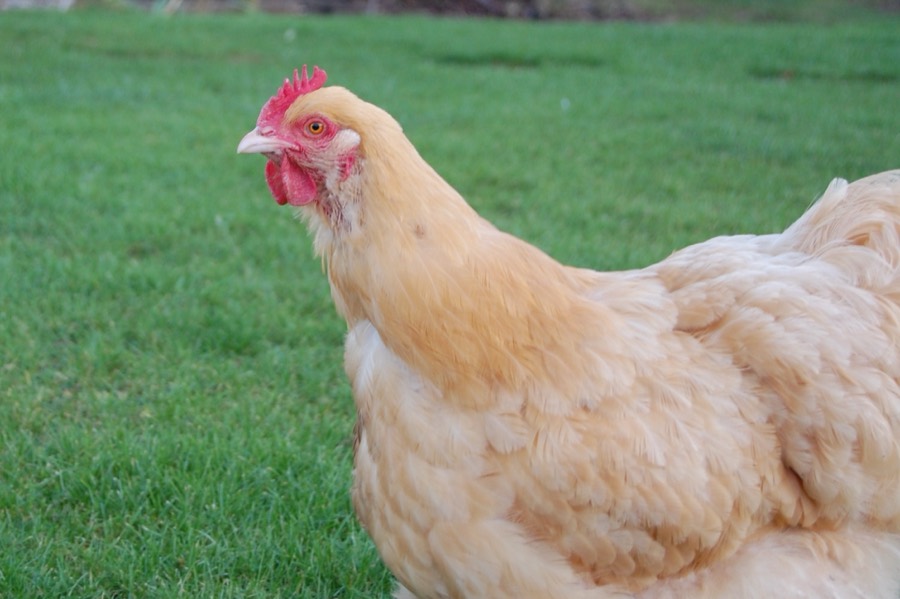
Cold weather sorts backyard chicken breeds quickly. Some barely notice a hard freeze and keep laying through it, and others lose comb tips to frostbite and shut the egg basket down until spring. The difference isn't toughness in the abstract, it's two specific things you can look at before you buy: the comb and the coat. This guide ranks the twelve breeds we would actually put in a cold-climate flock, with what to expect from each, then the breeds to skip and the winter gear that matters more than any of them.
We haven't kept all twelve of these breeds through a winter ourselves, so the per-breed detail leans on breed registries, hatcheries and extension sources rather than on our own coop, and we say where the sources disagree. What we can stand behind is the pattern underneath the list, which is well established and is the part that matters when you choose: small combs and heavy feathering win cold winters, and a dry coop wins them by more.
What makes a chicken breed cold-hardy
Two things decide whether a chicken sails through a cold winter or loses comb tips to frostbite: the comb, and the coat. A big upright single comb is mostly bare skin held up into the cold air, and it's the first thing to freeze, so the hardiest breeds carry small, low-profile combs instead, the pea, rose and cushion combs that sit tight to the head with little exposed tissue. Under that, body mass and dense feathering do the insulating, which is why the cold-hardy list leans heavy and fluffy rather than light and sleek.
The thing most people get backwards is that cold itself rarely hurts a healthy, feathered bird. Damp does. Moisture in a stuffy coop is what drives frostbite and respiratory trouble, so ventilation that lets humid air out matters more than sealing the coop up tight, and it matters more than the breed you choose. We give egg figures as ranges below because hatcheries and registries disagree on exact output, and we aren't going to invent a single number where the sources don't agree. For the space and ventilation side of a winter-ready coop, our coop space guide has the numbers.
| Breed | Eggs / year | Egg color | Hen weight | Comb type |
|---|---|---|---|---|
| Chantecler | 200-220 | light brown | 6.5-7.5 lb | cushion |
| Wyandotte | 180-260 | brown | 6-6.5 lb | rose |
| Brahma | up to 200 | brown | 9.5-10 lb | pea |
| Buckeye | 150-200 | brown | 6.5 lb | pea |
| Dominique | 230-275 | brown | 5 lb | rose |
| Ameraucana | 180-250 | blue | 4.5-5.5 lb | pea |
| Buff Orpington | 150-280 | light brown | 8 lb | single (large) |
| Australorp | 250+ | light brown | 6.5 lb | single |
| Plymouth (Barred) Rock | 200-250 | brown | 7.5 lb | single |
| Rhode Island Red | 200-300 | brown | 6.5 lb | single |
| New Hampshire | 200-240 | brown | 6.5 lb | single |
| Salmon Faverolles | 180-240 | cream to light brown | 6.5 lb | single (small) |
The 12 best cold-hardy chicken breeds
These are the breeds we would put in a cold-climate flock, roughly in order of how much of their hardiness comes from the comb-and-coat combination that survives winter. Every one pairs a frostbite-resistant comb or a heavy, well-feathered body (and the best of them, both) with enough egg production to earn its place.
Chantecler
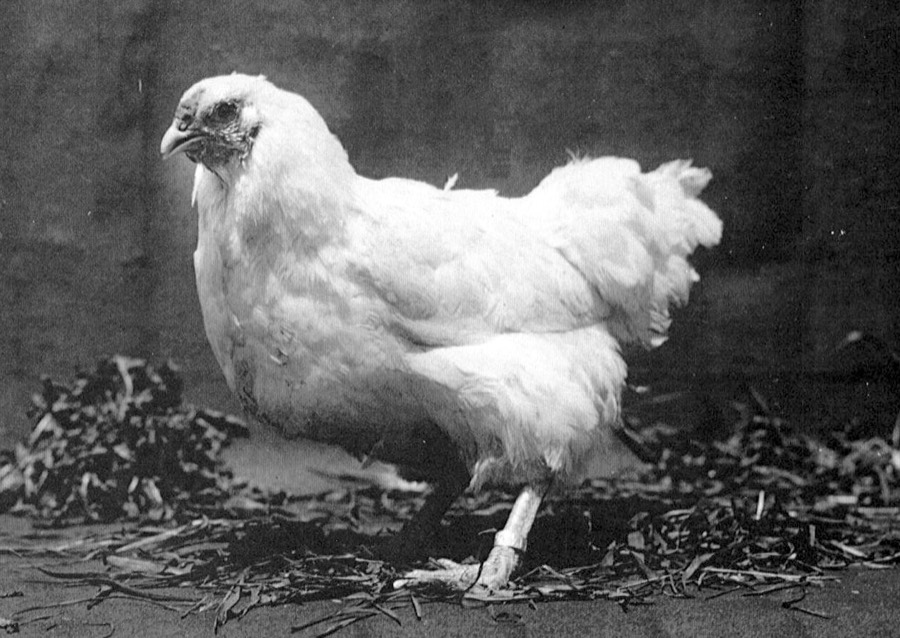
Canada's own breed, built at a Quebec abbey to lay through brutal northern winters, and often called the single most cold-hardy chicken there is. Developed in the early 1900s at the Abbey of Notre-Dame du Lac in Oka, Quebec, the Chantecler is a genuine winter layer rather than just a survivor. Its tiny cushion comb sits low like a button and, with almost no wattles, gives frostbite next to nothing to attack. Hens are calm and personable when handled young, and carry a well-fleshed breast, so the breed earns its keep for both eggs and meat.
Wyandotte
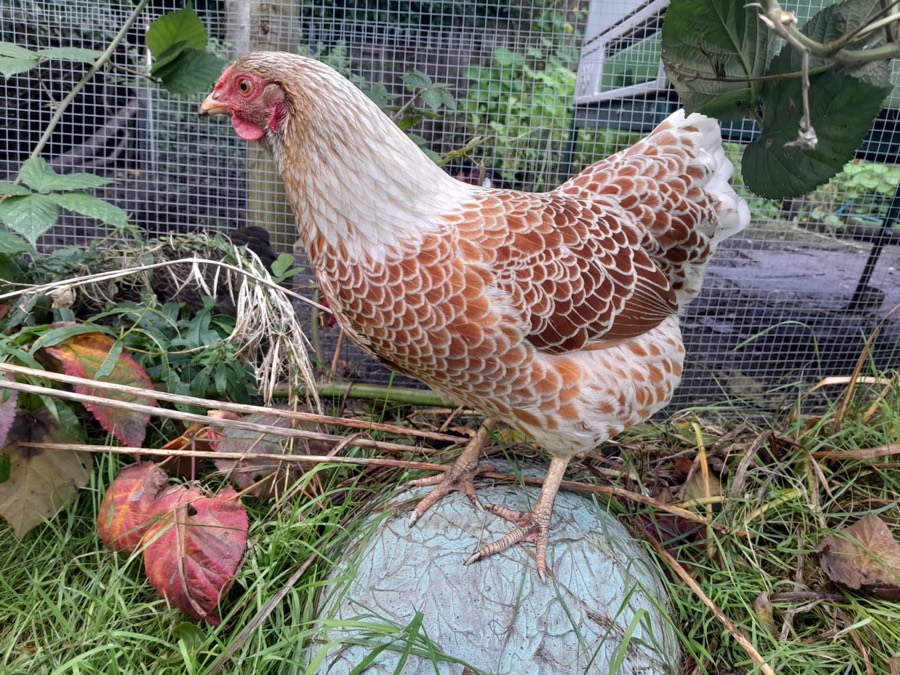
A rose-combed American dual-purpose breed whose flat comb and thick feathering make it a classic cold-climate layer. The Wyandotte carries a low rose comb that hugs the head, far less frostbite-prone than a tall single comb, over a broad, heavily feathered body. Combined with soft, insulative plumage it stays productive through cold winters, laying roughly 180 to 260 large brown eggs a year. Hens weigh about 6 pounds, have the gentle temperament prized in backyard and show flocks, and sometimes go broody and make good mothers.
Brahma
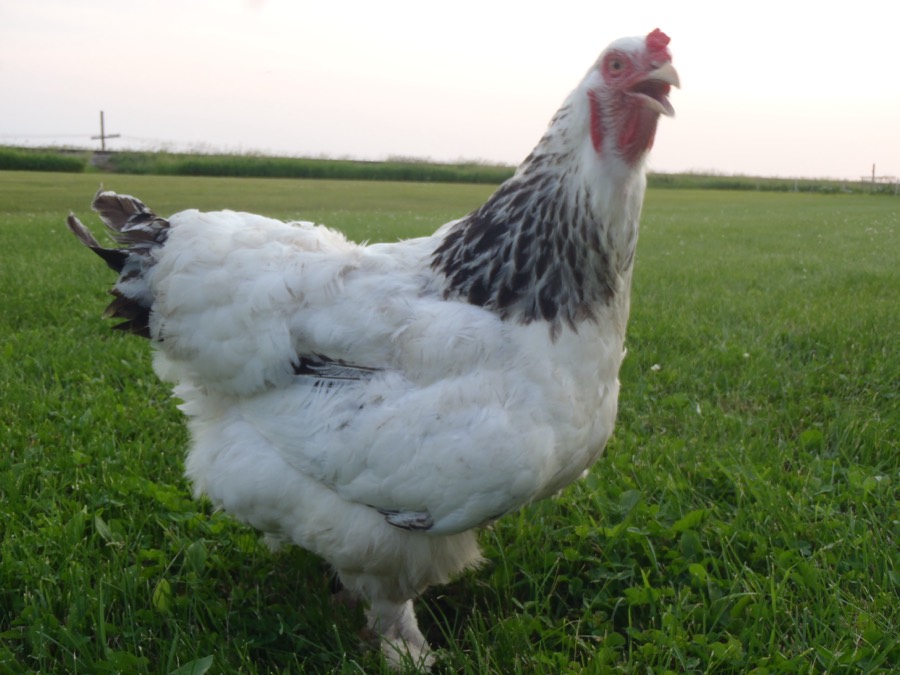
The gentle giant, historically rated among the least cold-susceptible chickens thanks to a pea comb and heavy down. Brahmas were long known as one of the least cold-susceptible chickens, owing their toughness to a small pea comb and tight feathering with dense down through all feather sections. Their large body and feathered yellow shanks and toes add insulation and the distinctive booted look. Hens are good layers for their size at up to 200 large brown eggs a year, and their calm, non-flighty temperament makes them easy to keep.
Buckeye
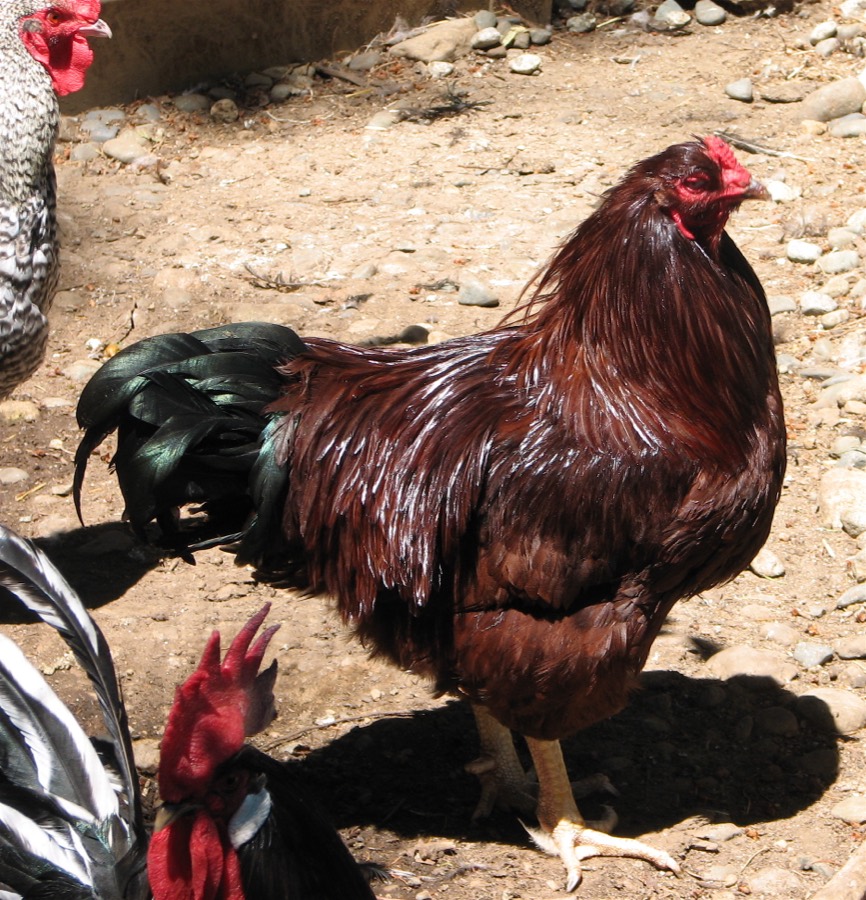
An American dual-purpose breed with a pea comb, developed in Ohio specifically to shrug off freezing winters. The Buckeye was developed in the 1890s by Nettie Metcalf of Warren, Ohio, and is the only American-class breed with a pea comb and the only one credited entirely to a woman. Its bright red pea comb sits low and small, sharply reducing frostbite risk, while rich mahogany-red plumage covers a stocky, powerfully built frame. Buckeyes are vigorous foragers and famously active mousers, yet gentle and unafraid of people.
Dominique
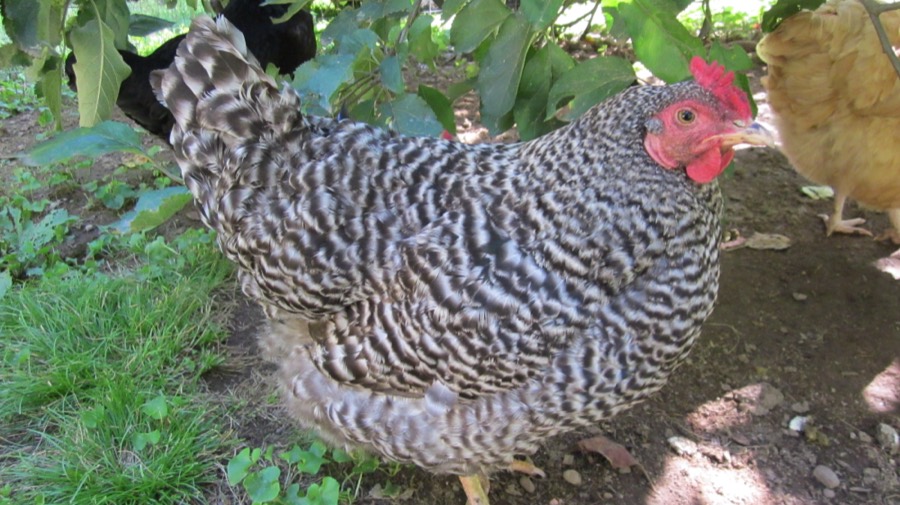
America's oldest breed, whose low rose comb and dense barred plumage make it a classic frostbite-resistant homestead bird. The Dominique is recognized as the first and oldest American chicken breed, present in the colonies since the 1700s. Its hallmark is a flat rose comb ending in a short upward spike that sits close to the head, which combined with tight barred (cuckoo) feathering makes the breed notably resistant to frostbite. Hens are steady, personable foragers that adapt equally well to free range or confinement.
Ameraucana
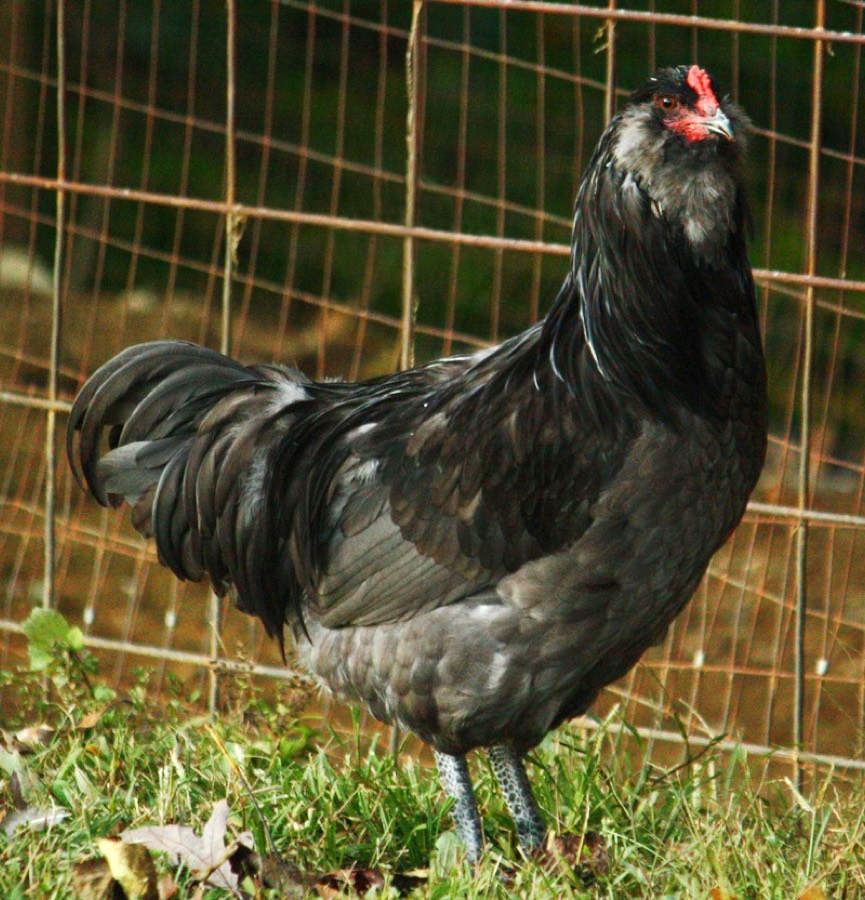
A true blue-egg breed whose pea comb and puffy muff-and-beard feathering let it lay through cold winters with almost no frostbite risk. The Ameraucana is a true breed admitted to the standard in 1984, distinct from the mixed-breed Easter Egger, and it lays genuinely blue-shelled eggs. Its small pea comb, tiny wattles, and dense muff-and-beard feathering leave very little exposed tissue, so it resists frostbite and keeps laying well through winter. Hens are quiet, docile, and friendly, which makes them popular with families and urban keepers.
Buff Orpington

A heavy, deeply-feathered dual-purpose bird that shrugs off cold and keeps laying through winter better than most. Mature hens run about 8 pounds, and their loose, abundant feathering plus large body mass make them excellent for cold tolerance, often laying even in winter. Expect roughly 150 to 280 light-brown eggs a year, with production strains at the high end. The upright single comb is the one vulnerability in a hard freeze, so it's the part to watch for frostbite.
Australorp
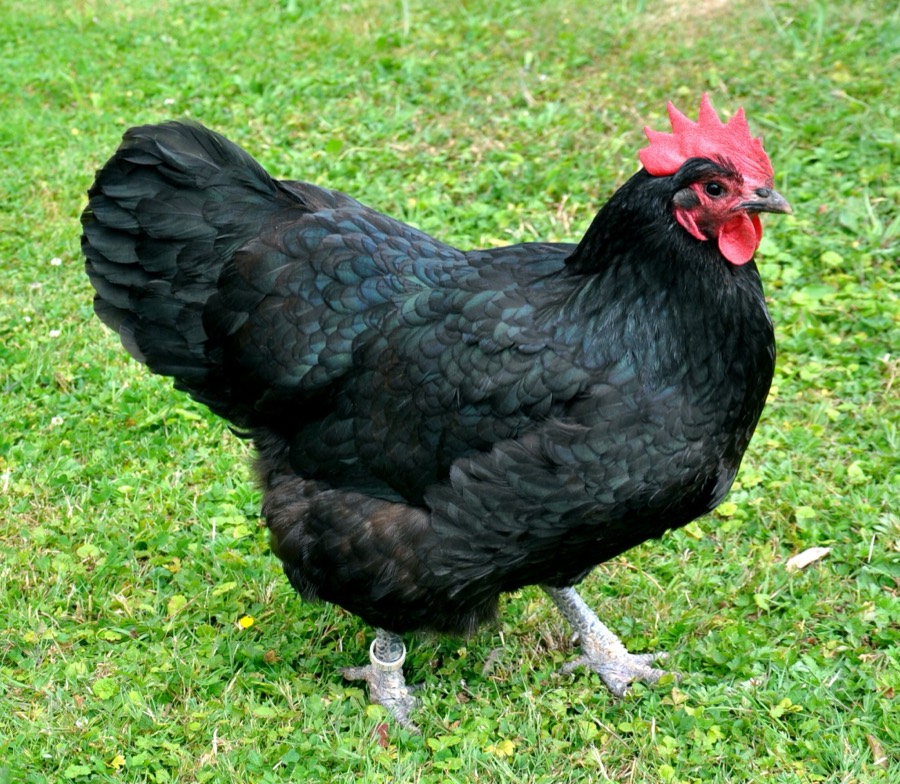
A heavy Orpington-derived layer with a dense black coat, and a proven backyard producer that handles cold well. Hens weigh about 6.5 pounds and carry close, glossy black plumage over a substantial body, which helps them hold heat in cold weather. They're strong layers of 250 or more tinted-to-light-brown eggs a year and stay active yet gentle. Their comb is a moderately large single comb, and that comb is the exposed part most at risk of frostbite in deep cold.
Plymouth (Barred) Rock
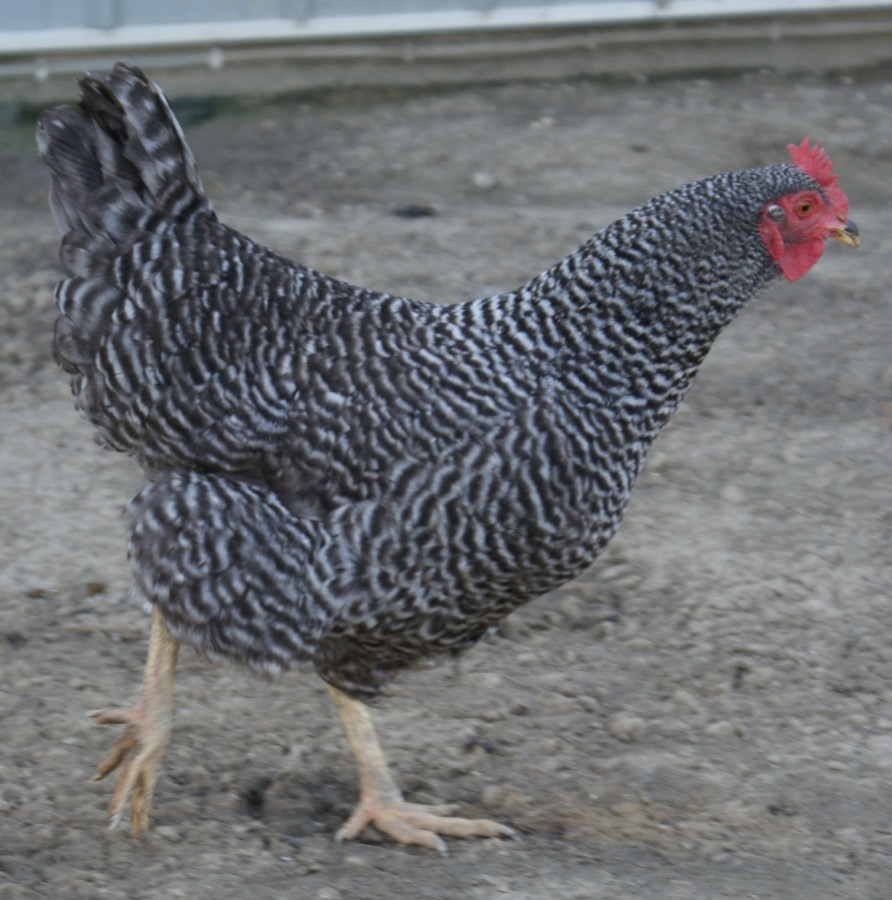
A hardy New England dual-purpose classic whose early feathering and solid body make it a cold-weather staple. Hens weigh about 7.5 pounds and are prized for early feathering and overall hardiness, which is why the breed is described as built to withstand New England extremes. They lay around 200 large brown eggs a year, with production strains closer to 250, and stay calm and docile with people. Their upright single comb is the part most prone to frostbite in hard cold.
Rhode Island Red
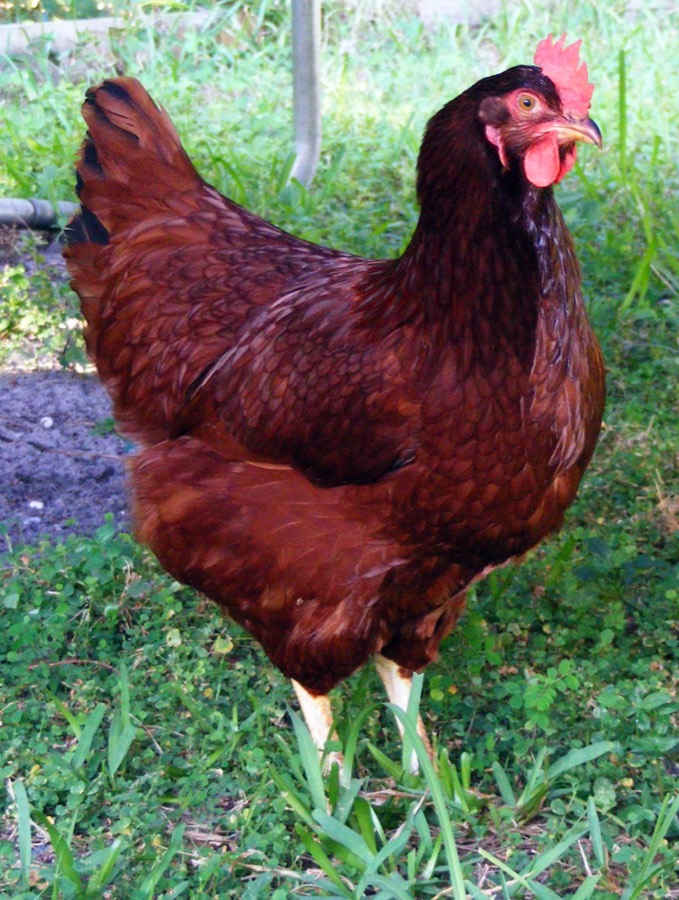
A heavy dual-purpose body and legendary hardiness let it keep laying through cold, marginal conditions. America's best-known dual-purpose breed was developed in Massachusetts and Rhode Island in the 1880s and 90s from Malay, Java and Brown Leghorn stock. Hens lay 200 to 300 large brown eggs a year, some starting as early as six months old. The breed is prized for hardiness and for producing in marginal conditions, though the exposed single comb should be watched in extreme cold.
New Hampshire
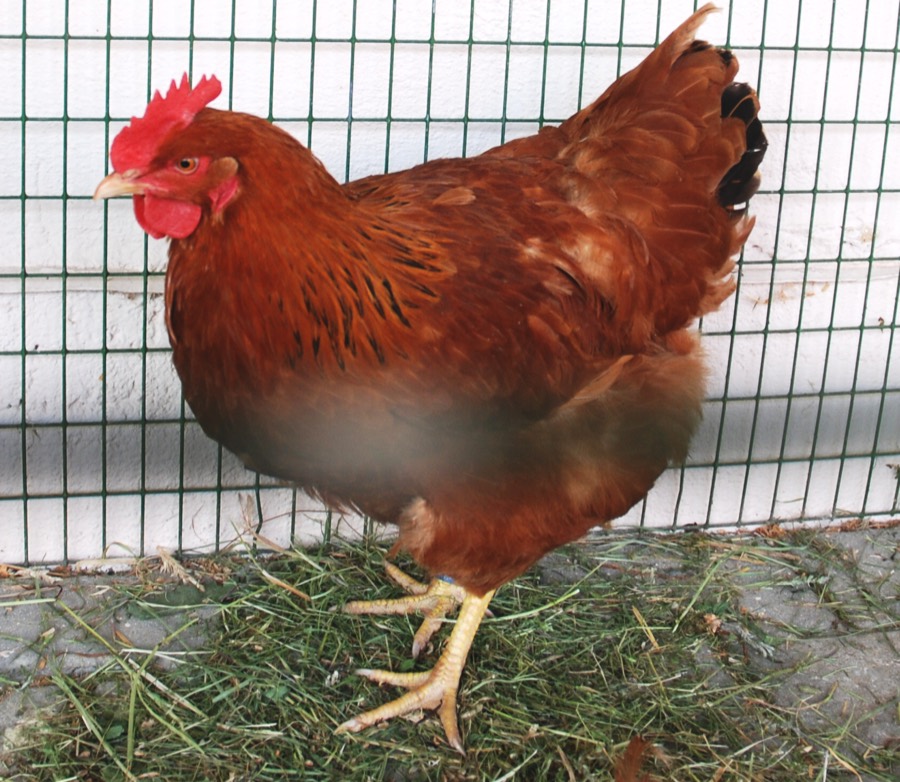
A heavy, fast-feathering dual-purpose bird bred for vigor that stays a reliable winter layer in the cold. An American heritage breed developed in New Hampshire in the early 1900s by selecting Rhode Island Red stock for rapid growth, early maturity, fast feathering and vigor. Hens weigh about 6.5 pounds and lay large brown eggs, roughly 4 to 5 a week, and are good winter layers. They're cold hardy thanks to heavier bodies and dense feathering, though as with all single-comb birds the comb should be protected in extreme cold.
Salmon Faverolles
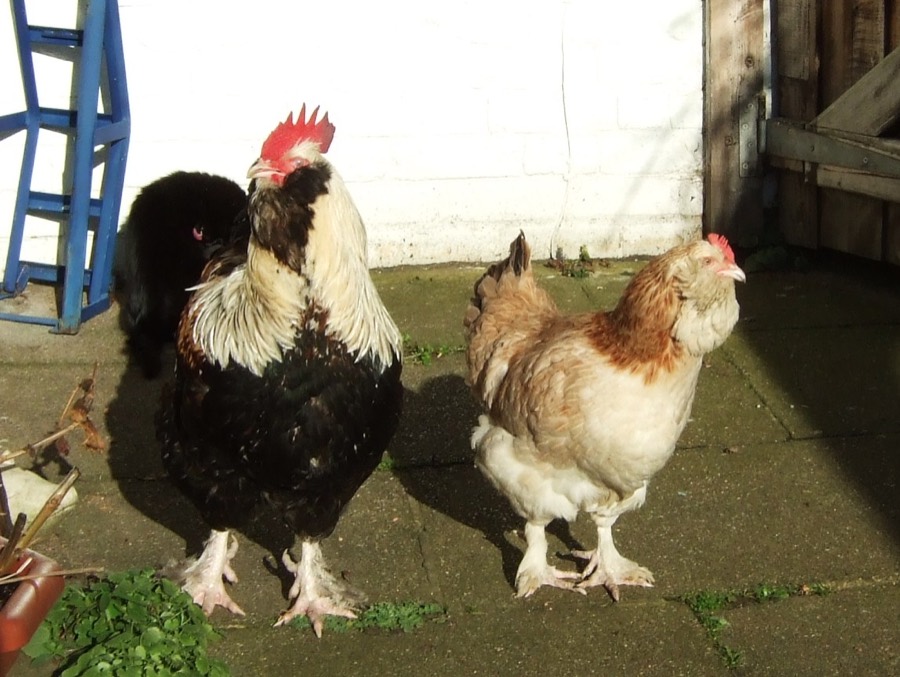
Despite a single comb, its dense downy feathering, muffs, beard and feathered feet make it one of the most cold-hardy breeds. A French dual-purpose breed recognized in 1914, distinguished by five toes, feathered legs, a full muff and beard, and salmon-cream hens. Hens lay about 180 to 240 light-brown, tinted or peachy eggs a year. Its loose, downy feathering and moderately heavy build make it one of the most cold-hardy breeds, so the small single comb stays comparatively sheltered despite winter exposure.
Breeds to skip if winter is your problem
None of these are bad chickens. They're just the wrong tool for a cold climate, almost always because of a large single comb built to shed heat rather than hold it. In a mild region they're fine; in a hard winter they lose comb tips and struggle.
- Leghorn: a Mediterranean heat breed with a very large upright single comb and big wattles that frostbite badly below about 20F, over a slight body that holds little heat.
- Minorca: an enormous single comb and large white wattles make it one of the most frostbite-prone breeds of all, suited to mild climates rather than cold.
- Ancona: a lightweight Mediterranean layer with a large single comb built to shed heat, not conserve it, so comb and wattles freeze in a hard cold snap.
- Polish: the large feather crest gets wet and then freezes, and the small frame gives poor cold tolerance, so it's a fair-weather ornamental rather than a winter bird.
The gear that matters more than the breed
Here's the honest part: the right breed helps, but a few pieces of husbandry do more to get a flock through winter than any breed choice. Unfrozen water comes first, because keeping it liquid below freezing is the single biggest daily winter chore, so a heated waterer is the one piece of cold-weather gear we would buy first. Next comes a dry, well-ventilated coop with deep, absorbent bedding to manage the moisture that causes frostbite. Get those right and even a single-combed breed does well.
Why you shouldn't heat the coop
It's tempting to put a heat lamp in the coop, and it's usually a mistake. A heat lamp is a genuine fire risk in a dusty, feathery, sometimes-jostled coop, and every winter it burns some down. It also keeps birds from acclimating to the cold, so a power cut on the coldest night leaves an unadjusted flock in real danger. Fully feathered, cold-hardy birds don't need it; what they need is to stay dry and out of the draft. Our guide to coop heaters and our winter care guide walk through the safe way to help a flock through a cold snap.
Cold-hardy chicken FAQ
What's the most cold-hardy chicken breed?
The Chantecler is the usual answer. It was bred in Quebec in the early 1900s specifically to lay through Canadian winters, and its tiny cushion comb and near-absent wattles leave almost nothing to frostbite. Other top-tier cold breeds include the Wyandotte, Brahma, Buckeye and Dominique, all of which pair a small comb (cushion, pea or rose) with a heavy, densely feathered body.
Do cold-hardy chickens need a heated coop in winter?
Usually not. Fully-feathered, acclimated birds in a dry, draft-free, well-ventilated coop handle cold well without added heat. Extension guidance suggests supplemental heat only when coop temperatures fall below about 35F, and standalone heat lamps are a real fire risk, so most keepers skip them and focus on dryness and ventilation instead.
What actually causes comb and wattle frostbite?
Moisture combined with cold, not cold alone. High coop humidity is the main driver, so ventilation that lets damp air escape is the single most important prevention step. Dry bedding, no drafts on the roost, and a dab of petroleum jelly on combs before a hard freeze all help, and breeds with small pea, rose or cushion combs are inherently far less vulnerable.
Will hens keep laying eggs through the winter?
Production drops because hens need roughly 14 hours of daylight to lay consistently, and short winter days fall well under that. Heavy cold-hardy breeds like the Wyandotte, Orpington, Australorp and Plymouth Rock tend to keep laying better than most. Some keepers add a timed morning light to reach about 14 hours, while others let hens rest naturally over winter.
Which comb type is best for cold climates?
Small, low-profile combs. Pea, rose, cushion and walnut combs sit close to the head and expose little tissue, so they resist frostbite far better than a tall single comb. Large single-combed breeds can still live in the cold but lose comb tips easily, so if you keep one, choose a heavy-bodied bird like an Orpington or Plymouth Rock and protect the comb.
The bottom line
If you're choosing a breed for a cold climate, start with the comb: a Chantecler, Wyandotte, Brahma, Buckeye, Dominique or Ameraucana gives frostbite the least to work with, and every breed on the list above will handle winter far better than a big-combed Mediterranean layer. But don't let the breed choice do all the work in your head. A dry, ventilated coop, deep bedding and a waterer that won't freeze carry a flock through winter more surely than any breed name, and they let you keep the friendly single-combed birds you might want anyway. For the laying side of the decision, our best egg-laying breeds guide covers which of these keep the egg basket full.
Recommended
Products related to this guide.


Related Reviews
Horizontal Chicken Nipple Waterer Review: The Cheapest Nipple Setup, If You Drill
Premier 1 Heated Poultry Waterer Review: A Solid, Pricey Winter Pick
Farm Innovators HPF-100 Heated Waterer Review: The Thermostat Is the Point
Harris Farms Easy-Fill Poultry Drinker Review: A No-Frills Bulk Waterer That Still Fouls