Premier 1
Premier 1 Heated Poultry Waterer Review: A Solid, Pricey Winter Pick
Our independent verdict on the Premier 1 3-gallon heated waterer: solid in a hard freeze, but a cheap heated base does the same job for less.
By ChickenGearGuide · Updated September 2026
Independent editorial review. We never accept payment for coverage, though we may earn a commission if you purchase through our links.

Verdict
We usually lean this section on years of owner experience with a product. For this specific Premier 1 waterer we couldn't find that body of long-term reports. It's a trusted brand, but the discussion that exists tends to talk about heated waterers in general, or about the cheaper heated bases, rather than this exact sealed unit, so pinning owner evidence to it would be guesswork. Our read on the class is straightforward. A heated fount does reliably keep water liquid, which is its whole reason to exist, and the real questions are whether you need one at all and whether you'll run it safely on a GFCI outlet with a heavy cord. We have taken that as background and scored this waterer on what the listing publishes, the three-gallon capacity, the brand's standing, and the price against the cheaper base route, not on owner reports we can't stand behind.
Read full take ↓Similar waterers
The Premier 1 All-Season Heated Poultry Waterer does the one thing a winter waterer has to do, which is keep three gallons of water liquid when the coop drops below freezing, and it carries a farm-supply brand keepers already know. Our verdict is that it is a solid cold-climate waterer with a real catch. The heat is the entire point of paying for it, and you're paying an all-in-one price for it. A cheap heated base under a metal fount gets you the same liquid water for a good deal less, so buy the Premier 1 if you want one sealed unit and will pay for that, and skip it if the base-plus-fount route or a nipple bucket suits you better. We point you to both below.
What the listing actually tells you is short. It's heated, it's all-season, it holds three gallons, and it's rated for chickens and ducks. That's close to the whole spec sheet. There's no published wattage, no cord length, and no word on what the reservoir is made of, so you can't check how hard it pulls at the outlet or how it is built before it turns up on the porch. The three-gallon capacity is the one hard number, and for a small flock that's a comfortable margin rather than a daily necessity. The price is the other half of the decision, because at this level you're well above a heated base you set your own double-wall metal fount on.
We haven't held this waterer, plugged one in through a hard freeze, or watched a flock drink from it for a season. We came up short hunting for multi-season owner reports on this specific Premier 1 model, so we judge it on build and specs and flag what we couldn't confirm. So our read turns on the three-gallon capacity the listing does print and the wattage it doesn't, on the brand's standing, and on how a heated waterer in this class compares to gear we do have evidence on. Where a number's missing, we say it's missing and leave it at that.
The short version
What it gets right:
- One sealed unit does everything. The reservoir, the heater and the base are a single piece, so there's nothing to match up between a fount and a separate heated plate.
- The three-gallon capacity is real and printed. For a handful of hens that's a day or two of water, so a cold morning doesn't mean an empty dish.
- It carries the Premier 1 name, a farm-supply brand with a longer track record than the rotating no-name heated bases that fill this category.
- It's rated for chickens and ducks, so a mixed flock with a duck or two in it is covered by the same waterer.
What it gets wrong:
- It's a plug-in electric appliance living in a wet, dusty coop. That means a GFCI outlet and a heavy outdoor cord aren't optional, and in our assessment that overhead is the biggest reservation.
- The listing publishes no wattage, so you can't size the circuit or estimate the winter running cost before it arrives.
- The price sits well above a heated base under your own metal fount, which is the same liquid water for less money.
- It's an open-dish design, so birds foul and splash the water the way they do any open waterer, where a nipple bucket keeps it cleaner.
Which flocks and setups it fits
Buy it for a hard freeze and it earns its place. A keeper whose winters actually lock water solid, who wants one sealed unit rather than a base and a fount to keep track of, and who has a GFCI outlet within cord reach of the coop, is the reader this waterer is for. A mixed flock with ducks is covered by the same unit, which not every waterer manages. If you're away from the coop all day through a cold snap, a fount that stays liquid on its own is worth real money, because a waterer frozen solid by noon is its own welfare problem.
Send several readers elsewhere. If you freeze only a handful of nights a year, a rubber tub you can stomp the ice out of with a boot covers that for nothing, and a cheap heated base does the rest. If you already own a metal double-wall fount, buy just the heated base and put most of the money back in your pocket. If what you want is the cleanest possible water, a nipple bucket keeps the birds from standing in it at all. And if you're in the camp that won't run any electricity to the coop, that's a defensible call we take seriously, and this isn't the product for you.
The specs that matter
The published spec is heated, all-season, three gallons, for chickens and ducks. That's nearly all of it. There's no printed wattage, no cord length or gauge, no reservoir material, and no explicit thermostat spec beyond the words all-season heated. With the sheet this thin, those absences are part of the finding, because the two numbers a buyer most wants here, the wattage and the cord rating, are the two the listing doesn't print.
The three-gallon capacity is the number you can plan around. Three gallons is generous for four to six hens, which means you're topping it up every day or two rather than twice a day, and it's enough that a duck or two dabbling in it won't drain the dish by mid-morning. It's also heavy when full, so this is a waterer you top up in place with a hose or a jug, not one you carry back and forth.
The missing wattage matters more than it looks. Without it you can't size the circuit the waterer shares, and you can't estimate what it adds to the winter electric bill. Our category read is that all-season heated founts like this usually run on a thermostat so the element only draws power near freezing, which keeps the running cost modest. But the listing doesn't confirm a thermostat, so we treat that as our expectation of the class rather than a fact about this unit, and we would want it printed before we relied on it.
How it keeps the flock safe
The waterer itself isn't the hazard. Mains electricity sitting in standing water inside a damp, dusty, feathery box is, and the safety score is built around that. Our safety read is plain. Run it on a GFCI-protected outlet, every time, because a GFCI is what trips before a fault through wet bedding turns into a shock or a fire. Use a heavy outdoor-rated extension cord sized for the run, not a thin indoor cord that warms up under load. Keep the plug and any connection up off the coop floor and out of the bedding, ideally under cover, because a live connection lying in damp shavings is the failure we would worry about first. The cord is also a chew line and a trip line, so route it where a bird can't stand on the join and where you won't catch it with a boot.
None of that is exotic, and all of it is the standing price of running an appliance in a coop. It's also where a large and serious camp of keepers gets off the bus entirely. Their argument is that any heated waterer is a fire risk you can sidestep by carrying warm water out twice a day, or by dropping in a rubber tub and knocking the ice out, and they aren't being careless when they say it. We think that's the right call in a mild climate and the wrong one for a keeper away all day in a hard freeze. So the position is the boring one: heat the water only if you need to, and if you do, wire it as if it matters, because it does. The safety score reflects a unit that does its one job reliably against that ongoing overhead.
Build quality and living with it
The build is the part we can say least about with certainty, and we aren't going to pretend otherwise. The listing prints no wattage, no reservoir material and no cord gauge, so the score leans on the Premier 1 name and the pattern of the category rather than a confirmed spec. Premier 1 is a farm-supply brand with a longer history than the no-name bases that come and go under rotating listings, and that track record is worth something on a product you plug in and leave. The pattern to expect on any heated fount is that the heating element and the cord are the parts that eventually die, usually after a few winters, and because this is a sealed all-in-one, when the element goes you replace the whole unit rather than swapping a cheap base. That's the trade for the tidiness of one piece.
Living with it is an open-dish experience. Birds foul an open waterer, they kick shavings into it, and a duck will treat it as a place to dunk its bill, so it wants rinsing and topping up on the same rounds as any open fount. Full, three gallons is a two-hand lift, which is why you fill it where it stands. In summer it's simply a waterer, since the listing calls it all-season, so it doesn't sit idle half the year the way a winter-only base can. It's a bigger, tidier version of the everyday chore, not a different one.
How it compares
The comparison that decides most purchases is against the cheaper base route. A heated poultry base like the Harris Farms Heated Poultry Drinker Base costs a fraction of the all-in-one, and you set your own metal double-wall fount on top of it. Same liquid water in a freeze, less money out, more separate parts to own and store. We go deeper on that base-plus-fount approach in our Farm Innovators heated waterer review, and the short version is that the Premier 1's case over those is the single sealed unit and the brand, not the price. If you already have a fount, the base wins on money and it isn't close.
The other design worth weighing is the enclosed nipple bucket, a heated bucket with nipple drinkers the birds peck at from below. Because the water is sealed inside, the flock can't stand in it or foul it, which is exactly the weak point of any open dish including this one. A nipple bucket usually costs less as well. The catch is that the birds have to learn the nipples, which takes a few days and the odd stubborn hen, and ducks in particular do better with an open dish they can submerge their bills in. So the Premier 1 wins for a duck-inclusive flock and loses to a nipple bucket on plain water cleanliness for a hen-only one.
Setting it up
Site it first, before you buy the cord. The waterer has to sit within reach of a GFCI outlet, on level ground so the base sits flat and the water doesn't pool to one side. Run a heavy outdoor-rated extension cord to it, keep every connection dry and up off the floor, and route the cord clear of where the birds stand and where you walk. Plug it in before the first hard freeze and confirm it's warming, rather than finding out on the coldest morning that the outlet was dead.
After that it is a waterer. Top it up in place with a hose or a jug, rinse it on your normal rounds because an open dish gets fouled, and check the cord and the connection through the winter for damp or wear. When spring comes it keeps working as a plain waterer, so there's nothing to pack away. The whole setup is ordinary once the electrical side is done right, and the electrical side is the part worth slowing down for.
The bottom line
We would buy the Premier 1 for one situation. A hard-freeze climate, a keeper who wants a single sealed heated waterer instead of a base and a fount, and a GFCI outlet within cord reach of the coop. For that reader it's a solid, trusted choice, and keeping the water liquid is the whole reason to own it. If you already have a metal fount, or you freeze only a handful of nights a year, or you want the cleanest water for a hen-only flock, the heated-base route or a nipple bucket is the smarter spend, and we would point you there without hesitation.
Final scores: Build Quality 7.0, Reliability and Safety 7.5, Value 6.0, which weight to an overall of 7.0. This one's good at what it does, but the tradeoff is real, right for some flocks and wrong for others, and that's what lands it here. Value is the score most likely to move if the listing ever prints a wattage, or if long-term owner reports on this exact unit turn up and change what we think the build is worth. Until then we would sooner flag what we couldn't check than let a hunch masquerade as a finding.
Our verdict
Weighted, not averaged: 35% build quality, 40% reliability and safety, 25% value. Safety counts for the most because this is gear where failure costs birds. How we score.
Build Quality
35% of the overall
The listing prints no wattage, no reservoir material and no cord gauge, so this leans on the Premier 1 name and the category pattern rather than a confirmed spec, and we caveat it as such. A trusted farm brand earns a 7, not higher: the heater and cord are the parts that eventually die, and on a sealed all-in-one that means replacing the whole unit.
Reliability & Safety
40% of the overall
A heated fount does its one job, keeping water liquid, reliably, which is the plus. Against it sits the overhead of mains power in a wet, dusty coop: it needs a GFCI outlet and a heavy outdoor cord, and a live connection in damp bedding is the failure to guard against. Solid rather than spotless, and only as safe as you wire it.
Value
25% of the overall
It works, but this is all-in-one money for water a cheap heated base under your own metal fount keeps just as liquid. The premium buys one tidy sealed unit and the brand, not better water. If you already own a fount, the base route wins on price and it isn't close, which is what holds the value score down.
Options Worth Checking Out
| Option | Role | The gist |
|---|---|---|
| Premier 1 Heated Poultry Waterer | Our top pick | Our independent verdict on the Premier 1 3-gallon heated waterer: solid in a hard freeze, but a cheap heated base does the same job for less. |
| JELSVOP Heated Chicken Waterer, 11L Bucket with 4 Nipple Drinkers | Also recommended | An enclosed eleven-liter heated bucket with four nipple drinkers, so birds cannot stand in or foul the water the way they do an open dish. |
| Harris Farms Heated Poultry Drinker Base for Chicken Waterers | Alternative | A heated base only: you set your own metal double-wall fount on top and it keeps the water liquid through a freeze. |
| RentACoop DIY Waterer Kit, Horizontal Nipples with Dribble Dish | Alternative | Horizontal nipples, dribble cups and the tool, for turning a food-grade bucket you own into the setup keepers keep landing on. |
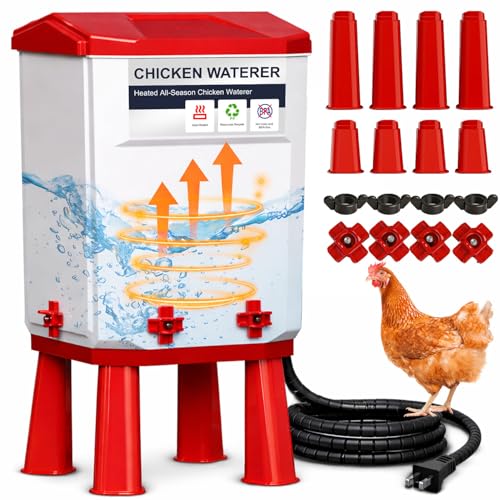
JELSVOP Heated Chicken Waterer, 11L Bucket with 4 Nipple Drinkers
An enclosed eleven-liter heated bucket with four nipple drinkers, so birds cannot stand in or foul the water the way they do an open dish. Cheaper than the Premier 1 and cleaner, with the tradeoff that your flock has to learn the nipples first.

Harris Farms
Harris Farms Heated Poultry Drinker Base for Chicken Waterers
A heated base only: you set your own metal double-wall fount on top and it keeps the water liquid through a freeze. The Harris Farms name and a much lower price than the all-in-one make this the smart buy if you already own a metal waterer.
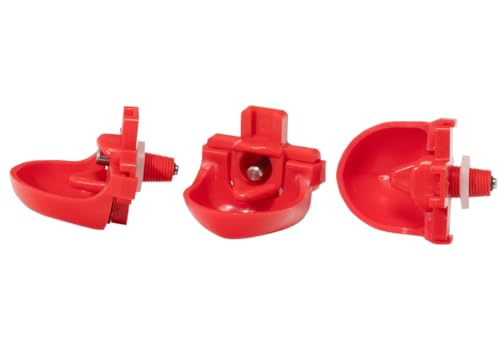
RentACoop DIY Waterer Kit, Horizontal Nipples with Dribble Dish
Horizontal nipples, dribble cups and the tool, for turning a food-grade bucket you own into the setup keepers keep landing on. The side valve holds almost no standing water, so it stays clean and cannot be bumped open and drained like a cup.
Frequently asked questions
Is the Premier 1 Heated Poultry Waterer worth it?
It works, but this is all-in-one money for water a cheap heated base under your own metal fount keeps just as liquid. The premium buys one tidy sealed unit and the brand, not better water. If you already own a fount, the base route wins on price and it isn't close, which is what holds the value score down.
How is the Premier 1 Heated Poultry Waterer built?
The listing prints no wattage, no reservoir material and no cord gauge, so this leans on the Premier 1 name and the category pattern rather than a confirmed spec, and we caveat it as such. A trusted farm brand earns a 7, not higher: the heater and cord are the parts that eventually die, and on a sealed all-in-one that means replacing the whole unit.
Is the Premier 1 Heated Poultry Waterer reliable and safe for a flock?
A heated fount does its one job, keeping water liquid, reliably, which is the plus. Against it sits the overhead of mains power in a wet, dusty coop: it needs a GFCI outlet and a heavy outdoor cord, and a live connection in damp bedding is the failure to guard against. Solid rather than spotless, and only as safe as you wire it.
