How to Introduce New Chickens to Your Flock Without Losing a Bird
By ChickenGearGuide · Updated September 2026
Independent editorial guide. We never accept payment for coverage, though we may earn a commission if you purchase through our links.
Quick Take
Introducing new chickens is mostly a method, not a purchase. Keep the new birds separate for a couple of weeks first, then set up "see but no touch" so the two groups live in sight of each other through a barrier for a week or two, then integrate at night and give them room to spread out with a second feeder and waterer. Do that and the pecking order reshuffles with squabbling instead of bloodshed. Skip it and toss strangers straight in, and you can lose a bird in an afternoon.
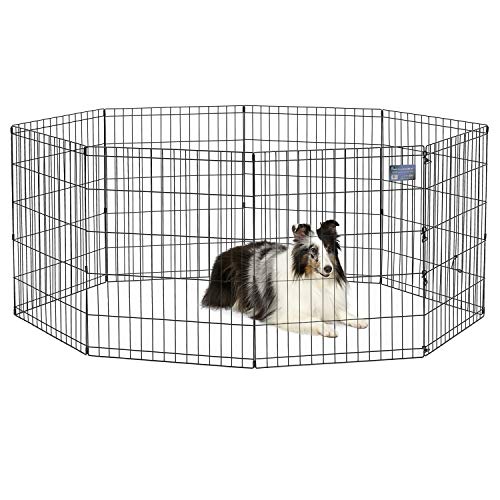
The only thing here really worth buying is the barrier, and a folding metal dog exercise pen does the job for the price of a bag of feed. Everything else is a bird crate you may already own and a spare feeder. How long the whole thing takes varies more than anyone wants to admit: some flocks settle in a few days, others take a couple of months, and a lot of it comes down to space and how many birds are already fighting for the top spot.
The gear list is short and honest, and one item on it is the difference between a rough week and a dead hen. See picks ↓

Search this and you get a wall of product listings for coops and dividers, which is backwards. We meant to rank the gear too, and the keeper threads kept handing back the same answer: this is a sequence you follow, and the shopping is almost an afterthought. Quarantine, then a barrier the flocks can see through, then a careful mix at night with enough space and feed that nobody gets cornered. The birds do most of the work. Your job is to slow it down and stack the deck so the fights stay at the shoving stage.
This is for someone who already keeps a small backyard flock and is adding two or three birds, or folding a batch of pullets into the older hens. It isn't a chick-brooding guide and it isn't a health guide. Where a new bird looks unwell, that's a vet call, not a step in a process, and nothing on this page is a substitute for one. What we can tell you is how keepers who have done this a dozen times set up the space, and where the ones who disagree with the slow method are coming from, because a fair number do.
This is a method, and the gear is almost an afterthought
The whole job is four moves in order: quarantine the new birds, let both groups see each other through a barrier for a week or two, mix them at night, and spread out the food and water so a low bird can eat without running a gauntlet. Nothing on that list is expensive. The barrier is the one real purchase, and even that's often a dog exercise pen or a crate a household already owns. Keepers who have integrated flocks for years describe it as patience with a fence, not a shopping trip.
It works because chickens run a strict pecking order and a stranger has no place in it yet. Drop an unknown bird into an established coop and the resident hens read it as an intruder, gang up, and can draw blood before you get back from the house. Every step below buys the new birds time and an escape route while the order sorts itself out. One keeper who has done it many times put the reassuring version plainly.
Introducing new chicks/hens many times and it isn't that big a deal is roughly the mood once you have run the sequence once. The first integration is the one that feels fraught. After that it is a routine you set up and then mostly stay out of.
Quarantine the new birds first (and what we couldn't pin down)
Before the new birds go anywhere near the flock, keep them in a separate space for a while. A bird that looks perfectly healthy can be carrying something your flock has never met, and a quarantine spot away from the coop is the cheap insurance against handing it to everyone. This is the one step that's about disease rather than the pecking order, and it's also the step most people skip because the new birds look fine. A large dog crate or a spare hutch, somewhere with its own air and its own feed and water, covers it.
We couldn't pin down how long to quarantine from these threads, and we would rather say so than invent a number. One OP asked the room outright and got no single answer, and nobody in the threads settled it. Two to four weeks is the range you'll hear most elsewhere, erring long if the birds came from a swap meet or an auction rather than a hatchery. If a bird shows any sign of being ill during that window, that's where this guide stops and a vet starts. We don't diagnose birds and we don't dose them.
See but no touch: a barrier for a week or two
This is the step that does the most work. Put the new birds where the flock can see them, hear them, and get right up against them, but can't actually reach them, and leave it that way for a week or two. The birds get familiar through the fence, so by the time they share a space they aren't strangers, just neighbors who have been glaring at each other for ten days. A folding metal exercise pen set up inside the run is the usual tool. Some keepers build it into the coop permanently instead.
One keeper who wired it into the layout described the version we would copy: "If I started again, I would create a setup similar to a neighbor of mine where the coop is large and is divided by chicken wire as well as the run, so the new chickens are introduced immediately, but separate . Then once they begin laying, the division can be removed instead of the chickens moved." A permanent divider means every new batch integrates itself while you barely touch it.
Another runs a barrier the new birds can slip through and the adults can't, which is the trick when you're folding small pullets into big hens: "I use hog wire panels with 4" gaps, and intro the new chicks when they can fit through the holes, but the hens can't. I divide the run in half with the panels, then the chicks can safely get through the panels to get away, their mini coop is on the safe side." The escape route is the whole point. A bird that can duck out of reach doesn't get cornered and pecked bald. The see-but-no-touch stretch isn't optional in most keepers' telling; one who knew the drill still called it the part everyone forgets: they have to have a period of seeing each other before they can touch.
Integrate at night, and give them room to run
When you finally mix them, do it after dark. Slip the new birds onto the roost next to the flock once everyone has settled, and there's a decent chance they wake up treating each other as though they were always there. It isn't magic and it doesn't always hold, but it skips the worst of the daytime confrontation. One keeper runs exactly this off a divided setup: she keeps the new hens in a small run beside the flock, then "At night I slowly start putting the new hens into the coops so when they wake up in the morning, they're all in the same space together."
Space matters as much as timing. A cramped run with nowhere to flee turns a shoving match into a beating, and free-ranging the two groups together on neutral ground takes the edge off before they have to share the coop. One keeper who adds birds in small groups does the mixing on open ground first: "I have always introduced 2-4 at a time free range over the course of a week before housing them together, and the established flock still targets the small groups for a few weeks." Note the timeline in that last line. Even a good integration isn't done the morning after.
Get the new birds up onto the roost that first night and keep them there. A bird that beds down in the nest boxes instead of on the roost hasn't worked out where home is, and it's a habit that fouls your eggs and marks the bird as an outsider. Nudge them up each evening until it sticks.
Set up a second feeder and waterer
The single cheapest way to keep the peace is a second feeding station. A new or low-ranking bird that has to cross the whole run past the top hens to reach the only feeder often just doesn't eat, and a hungry bird at the bottom of the order is the one that ends up thin and picked on. Put a second small feeder and waterer where the new birds can reach it unbothered, on their side of the barrier during see-but-no-touch and then in a separate corner once they mix.
A keeper who warns against ever adding a single bird ties the feed station straight to survival: "Introducing a single bird is never a good idea. To an extent most newly introduced birds will hide in the coop and act afraid, but it's always worse with a single bird. You should place a small feeder and waterer in the coop. It would also be a good idea to start placing her on the roost each night, as sleeping in lay boxes is a bad habit." Two feed points, two water points, and the pecking order loses most of its leverage.
Managing the pecking order (and when to actually step in)
Some fighting is the process, not a failure of it. The order has to reshuffle to fit the new birds, and that means chasing, pecking, and a lot of noise for the first several days. The hard part is knowing the difference between normal sorting and a bird in real danger. The rule keepers repeat is blood: squabbling and chasing you leave alone, and a bird that's being pinned and drawn blood on you pull. One keeper who supervises the first days put the boundary simply: "Hang out for the first couple days with them if possible to break up serious fights. Having integrated flocks it dies off in a few days and they get over into the new state of things."
When one bird is doing all the damage, the counterintuitive move is to remove the bully, not the victim. Take the aggressor out for a few days and it drops in rank when it comes back, which is exactly what you want. A keeper who had pulled and healed a bullied bird got told to flip it around next time: "your next job is to find out who the bully is, so when you try to integrate them the next time. Stay out with them, and once you see who the bully is, that's the one you pull out!!!!, not the 1 being bullied. you separate the bully. That's the one you want to knock down in the pecking order." A dog crate inside the run does this job without exiling the bird from sight.
And it takes as long as it takes. "In my limited experience it takes a few months for New chickens to integrate. Let them do their thing and they'll all work it out eventually," one keeper wrote, and that patience is the through-line of nearly every thread. Weeks is common, a couple of months isn't unusual, and the new birds hanging at the edge of the flock for a while is normal rather than a sign anything is wrong.
Never just toss them in (and the one time you can)
Two rules cover most of the failures. Never add a single bird if you can help it, and never drop strangers straight into the coop with no barrier and no plan. A lone newcomer has no ally and takes the full weight of the flock. A keeper who adds in pairs explained why: "I like to add new birds in pairs when possible so they have their own support system and someone to hang out with while the rest of the flock gets used to them being around. A singled out bird will often be much more timid and susceptible to bullying, or go on the defensive and make the others hate her more."
Not everyone runs the slow method, and the keepers who skip it aren't being reckless. When the birds are all about the same size and age, a fair number integrate them straight away and let them settle it, on the logic that a week of shuffling containers stresses the birds more than a couple of days of squabbling would. One put the case bluntly: "If all these chickens are the same size or close-ish, it would be a lot less trouble to integrate them immediately and just let them hash it out. Make sure the new girls perch at night so they know where home is." We would still run see-but-no-touch when there's a size gap, when a bird is going in alone, or when the flock has a known bully, and we would relax it for a matched, easygoing group. Nobody in these threads ran a controlled test either way, so this is judgement, not a settled fact.
There's also a shortcut worth knowing if your timing is lucky: a broody hen will adopt chicks and skip the whole exercise. "I have 2 that go broody every spring and it's easy to slip a few chics under them if they're sitting on eggs. One of mine just hatched 5 eggs and she's been raising them now for 2 weeks in our communal coop with no trouble- and no need to integrate later," one keeper wrote. It only works with a sitting broody and young chicks, so it's a nice-to-have, not a plan.
What we'd buy
Most of this guide costs nothing, and we aren't going to pretend otherwise to sell you something. The one purchase that earns its place is a barrier for see-but-no-touch, and a folding metal dog exercise pen is the cheap, honest version: it stands up inside the run, folds away between integrations, and does the same job as a built-in divider without the carpentry. That's our top pick because it's the thing the method actually needs.
A large dog crate is worth having for the two jobs a full barrier doesn't do: quarantining a new bird away from the coop, and timing out a bully for a few days. And a second small feeder and waterer is a few dollars that quietly prevents most pecking-order casualties. Beyond those three, the shopping is done. The rest is a couple of weeks of patience and a willingness to sit in the run and watch.
Recommended
Products related to this guide.


What keepers report
Across 22 threads and comments, keepers converge hard on a slow, staged method rather than any product: quarantine the new birds first, run "see but no touch" through a barrier for a week or two, mix them at night, and add a second feeder and waterer so a low bird can eat without being cornered. The most common tools named are a folding dog exercise pen, a dog crate, or a divider built permanently into the coop and run so each new batch integrates itself. A strong secondary theme is never adding a single bird, because a lone newcomer takes the full weight of the flock, and removing the bully rather than the victim when one bird does all the damage.
The clearest disagreement is whether the slow method is always needed: a real minority integrate same-size, same-age birds immediately and let them hash it out, arguing that shuffling containers stresses birds more than a couple of days of squabbling. Timelines ranged from a few days to a couple of months, and nobody pinned an exact quarantine length. We land with the majority on the staged method, while granting that a matched, easygoing group in a roomy run is the case where going straight in is defensible.
Verbatim reports from the keeper threads we drew on, each linking back to the original post.
“When I am looking to introduce new chickens to my flock I keep them in the small run of the coop while the rest of the flock are in the kennel, that way they are roughly in the same space. At night I slowly start putting the new hens into the coops so when they wake up in the morning, they are all in the same space together.”
— r/BackYardChickens / ritathecat
“If I started again, I would create a setup similar to a neighbor of mine where the coop is large and is divided by chicken wire as well as the run, so the new chickens are introduced immediately, but separate . Then once they begin laying, the division can be removed instead of the chickens moved.”
— r/BackYardChickens / BahnyaSC
“I use hog wire panels with 4" gaps, and intro the new chicks when they can fit through the holes, but the hens can't. I divide the run in half with the panels, then the chicks can safely get through the panels to get away, their mini coop is on the safe side.”
— r/BackYardChickens / Resident-Egg2714
“Oh, yeah, I know they have to have a period if seeing each other without being able to access each other before integration.”
— r/BackYardChickens / StarBerrySecret
“I have always introduced 2-4 at a time free range over the course of a week before housing them together, and the established flock still targets the small groups for a few weeks.”
— r/BackYardChickens / Dr3wcifer
“Introducing a single bird is never a good idea. To an extent most newly introduced birds will hide in the coop and act afraid, but it's always worse with a single bird. You should place a small feeder and waterer in the coop. It would also be a good idea to start placing her on the roost each night, as sleeping in lay boxes is a bad habit.”
— r/BackYardChickens / GallusLafayetti
“I like to add new birds in pairs when possible so they have their own support system and someone to hang out with while the rest of the flock gets used to them being around. A singled out bird will often be much more timid and susceptible to bullying, or go on the defensive and make the others hate her more”
— r/BackYardChickens / Mayflame15
“your next job is to find out who the bully is, so when you try to integrate them the next time. Stay out with them, and once you see who the bully is, that's the one you pull out!!!!, not the 1 being bullied. you separate the bully. That's the one you want to knock down in the pecking order.”
— r/BackYardChickens / Outside-Jicama9201
“Hang out for the first couple days with them if possible to break up serious fights. Having integrated flocks it dies off in a few days and they get over into the new state of things.”
— r/BackYardChickens / [deleted]
“In my limited experience it takes a few months for New chickens to integrate. Let them do their thing and they will all work it out eventually”
— r/BackYardChickens / max_falcon
“If all these chickens are the same size or close-ish, it would be a lot less trouble to integrate them immediately and just let them hash it out. Make sure the new girls perch at night so they know where home is.”
— r/BackYardChickens / MaliseHaligree
“I have 2 that go broody every spring and it’s easy to slip a few chics under them if they’re sitting on eggs. One of mine just hatched 5 eggs and she’s been raising them now for 2 weeks in our communal coop with no trouble- and no need to integrate later”
— r/BackYardChickens / tjontz