Best Chickens for a Small Backyard (and Small Coops)
By ChickenGearGuide · Updated September 2026
Independent editorial guide. We never accept payment for coverage, though we may earn a commission if you purchase through our links.
Quick Take
For a small yard you want hens that stay calm in a smaller space, put up with being penned some of the day, and don't kick up much noise. That points at the docile, confinement-tolerant breeds and the smaller bantams rather than the flighty birds that need to range all day. Silkies and Pekin or Cochin bantams are about as easygoing and quiet as chickens get, and among the standards the Australorp, the Orpington, the Easter Egger, and the Barred Rock are all mellow, steady layers that settle into a compact setup without fuss.
The real constraint in a small backyard isn't which breed you pick, it's space per bird and staying on good terms with the neighbors. Hens are quiet-ish but roosters are loud, and most suburbs ban them outright, so plan on hens only. Then size the flock to the yard at about four square feet of coop floor a bird, and buy a compact coop on its real measured footprint rather than the hen count on the box, which usually runs about double what the floor can honestly hold.
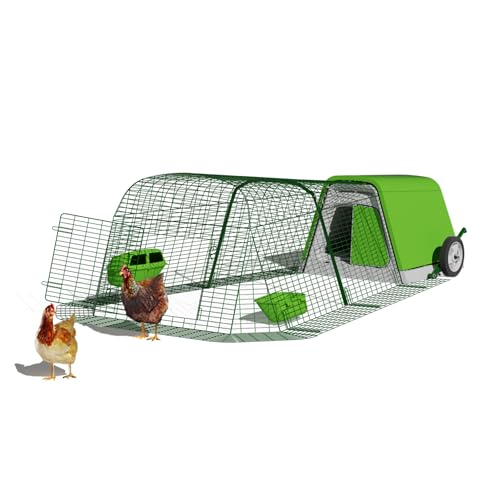
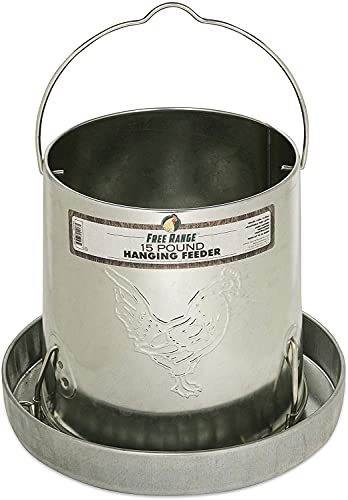
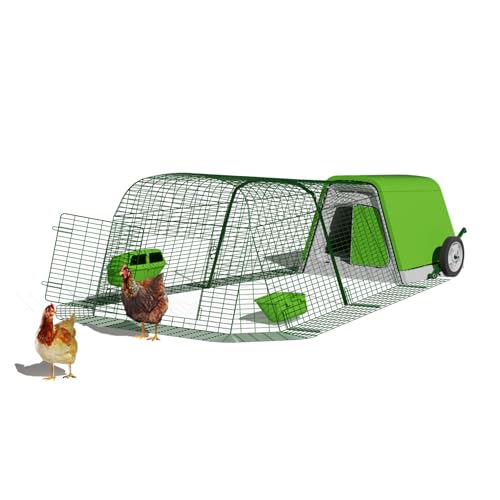
The compact coop and gear we would set a small-yard flock up with: See picks ↓
The way most breed guides read, you would think a small yard is a breed problem, that there is some special miniature chicken you have to track down. It isn't. In a tight space the limiting factor isn't the breed, it's how much room you have per bird and how well you keep the peace with the people over the fence. Get those two right and a surprisingly ordinary flock does beautifully in a small backyard.
Temperament does matter once space is settled, because a calm hen tolerates a smaller run far better than a flighty one that wants to be off foraging all day. So the breeds worth leaning toward are the docile, quiet, confinement-tolerant ones, plus the bantams that simply take up less room. Pick from that shortlist and you're choosing between good options rather than avoiding a bad one.
We haven't kept every one of these breeds in a small yard ourselves, and where it comes down to temperament we'd rather say so than guess. Any single hen can have her own personality too, so treat the temperament notes below as the broad, reliable tendencies of each breed rather than a promise about your particular bird. The space math, on the other hand, holds for all of them, and that's the part most people get wrong.
What actually suits a small yard
Three traits carry a breed in a small space. Docile temperament, so the flock stays settled and doesn't turn on each other when the run feels tight. Tolerance of confinement, because a small yard means the birds spend more of the day penned than a free-range flock would. And a quieter disposition, since noise is what turns a neighbor against backyard hens faster than anything. Smaller-footprint bantams help too, because half the bird is half the room. What you want to steer clear of is the flighty, high-energy breeds bred to range and forage over open ground, the ones that get bored and pecky the moment they're contained.
The best breeds for a small backyard
Silkies are the gentlest birds on this list, fluffy, quiet, and happy in a small run, though they lay only a modest number of small cream eggs. Pekin bantams, called Cochin bantams in the States, are round, calm, feather-footed lap chickens that ask for very little space. The Australorp is a steady, friendly standard hen and one of the best brown-egg layers going. The Orpington is a big, soft, docile bird that takes confinement well and lays reliably. The Easter Egger is a hardy, easygoing mongrel that lays those blue and green eggs and does fine in a smaller setup. The Barred Rock rounds it out as a hardy, calm, dependable brown-egg layer that has been a backyard staple for generations.
Bantams versus standard hens
A bantam is a miniature, roughly a quarter to a third the size of a standard hen, and that's the whole appeal in a tight yard. Less bird means less coop floor, less run, and less feed. The trade is eggs: a bantam lays smaller eggs and often fewer of them, so figure on roughly half the output of a standard hen. If eggs are the point, a couple of docile standards like an Australorp or a Barred Rock will out-lay a bantam trio. If space and charm are the point, bantams let you keep more birds in less room.
The noise question, and why it means hens only
Hens are quiet-ish. They murmur, they have a short burst after laying an egg, and the rest of the day they potter about at a volume no neighbor is going to notice. Roosters are the loud ones, and they crow at dawn and on and off through the day, which is exactly why most suburbs ban them outright. You don't need a rooster for eggs, only for chicks, so for a small backyard the answer is hens only. Check your local rules before you buy anyway, because a few places cap the number of hens too.
Sizing a small coop honestly
A laying hen needs about four square feet of coop floor, the enclosed space where she sleeps and lays, plus room in the run on top of that. That coop figure is modest, which is exactly why the capacity claims on compact coops get away with so much: a coop sold as a four-hen home is very often a two-hen coop with a run bolted on, because the headline count quietly folds the run in. So measure the real sleeping-area floor in the listing, divide by four, and treat that as your honest bird count. On most prefab coops it works out to about half the number on the box.
Two sums settle a small-yard flock before you spend anything: how many hens your coop floor can honestly hold, and how many birds your yard can carry overall. Our coop size calculator does the first, and the flock size calculator does the second.
If you would rather start from the yard and work back to a bird count, the flock size calculator takes your space and gives you a realistic number of hens to aim for, which for most small backyards lands lower than people expect.
And once you know the flock, the coop itself is its own decision, so our full coop guide walks through which compact and wooden coops are worth buying and which oversell their space.
Keeping a penned flock happy
A small-yard flock spends more of the day contained than a free-range one, and a bored, crowded flock is where feather-picking and squabbling start. The fix is enrichment: a dust-bathing spot, something to perch on at different heights, a hanging cabbage or a scatter of scratch to keep them foraging, and enough room that nobody feels cornered. Give confined hens things to do and they stay calm and healthy in a space that would otherwise turn them pecky.
There's more to this than one paragraph can hold, so our guide to chicken boredom and enrichment lays out the cheap, simple ways to keep a penned small-yard flock busy and out of trouble.
Recommended
Products related to this guide.