Free tool
Egg Cost Calculator
Are backyard eggs actually cheaper than the store? Enter your coop, birds and feed, and this works out your real cost per dozen and per egg, startup included, then puts it next to the grocery price. The answer surprises most people.
Your true cost per dozen
$5.11
all-in over 3 years, about $0.43 per egg
A premium, not a saving. Backyard eggs cost about $1.11/dozen more than the store here. Most small flocks do; the payoff is fresher eggs and the hobby, not the grocery bill. Keep them past about 5.6 years of laying, though, and the setup pays off and the eggs turn cheaper than the store.
The all-in figure spreads your startup (coop, run, gear and birds) across 3 years of laying, then adds feed and upkeep. Feed assumes 0.25 lb per hen per day. Hens lay less as they age and molt, and stop for part of winter without a light, so a real flock will land near the higher end of these numbers. This counts money only, not the value of fresher eggs or knowing how the birds are kept.
Do backyard eggs save money?
For most small flocks, honestly, no, at least not in the early years. The eggs themselves are cheap to produce, but the coop, run, birds and setup gear are not, and that startup is the part people leave out when they picture free breakfast. Spread a few hundred dollars of coop across three years of laying and it lands on every dozen you collect, which is why a backyard egg often costs more than a store egg until the setup is well and truly paid off.
What actually drives the cost
Two things move the number. The first is startup, and the coop dominates it, so a cheap, DIY or secondhand coop changes your cost per dozen more than any feed decision. The second is feed, and the hidden half of the feed bill is waste: an open feeder spills a fifth to a third of the feed onto the ground, so a feeder that closes to wild birds and rodents quietly lowers the running cost. After that come the small, steady items, bedding, grit and the occasional health supply. For the feed side on its own, our feed cost calculator breaks it down.
When a home flock does pay off
The math tips toward backyard eggs when the coop is cheap or built from salvage, when the flock is big enough to spread that coop across more eggs, when foraging and kitchen scraps offset the feed, and when local eggs are pricey to begin with. Even then, the real return is not the grocery saving. It is fresh eggs from birds you can see are well kept, pest control and compost for the garden, and a hobby people genuinely enjoy. If you want the eggs and the flock is the point, the cost per dozen is just good to know, not a reason to stop.
Gear that lowers the number
The two biggest lines in the calculator are the coop and feed waste. A sensible-value coop and a no-waste feeder move your cost per dozen more than switching feed brands ever will.

Aivituvin
Aivituvin Wooden Chicken Coop (Large, with Run)
The coop is the biggest number in the startup box, so a mid-price wooden coop with an attached run does more for your cost per dozen than any feed choice. Sized for a small flock; check the real bird count against our coop-size calculator before you buy.
RentACoop
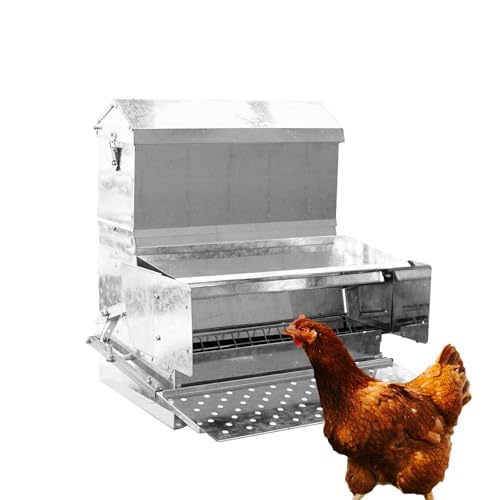
RentACoop 40 lb Treadle Feeder (No Waste)
Feed is the running cost, and an open feeder spills 20 to 30 percent of it onto the ground for rodents. The hen's weight opens this treadle lid and shuts out everything else, which is the single fastest way to bring the per-dozen number down.

Gamma2
Gamma2 Vittles Vault Airtight Feed Storage
The other way feed money vanishes is a bag going stale or feeding rats in the shed. An airtight vault keeps a 50 lb bag dry and locks rodents out of the stored feed, so you buy feed for your hens, not the local wildlife.
ChickenGearGuide is reader-supported. When you buy through these links we may earn a commission, at no extra cost to you. As an Amazon Associate we earn from qualifying purchases.
Are backyard eggs cheaper than store eggs?
Usually not, at least at first. Once you count the coop, run, birds and gear, the startup alone often runs several hundred dollars, and spread over a few years of laying it pushes the cost per dozen above typical grocery prices. Backyard eggs get closer to break-even, or beat the store, when the coop is cheap or DIY, the flock is larger, feed is offset by scraps and foraging, or local eggs are expensive. Most people keep hens for fresh eggs and the hobby, not to save money.
How much does it cost to raise a chicken for eggs?
Running cost is roughly the feed plus bedding, grit and the odd health item. A laying hen eats about a quarter pound of feed a day, so at common bag prices feed is a few dollars per hen per month, and other supplies add a bit more. The bigger number is the one-time startup for the coop, run and birds, which is what the calculator spreads across the years you keep the flock.
How many eggs does a hen lay per year?
A good laying breed averages around 250 to 280 eggs in its first full year, tapering in later years and pausing during the autumn molt and the short days of winter unless you add a coop light. Heritage and ornamental breeds lay fewer. The calculator uses 250 as a starting point; drop it for older birds or a mixed flock.
Do chickens save you money?
Rarely on eggs alone in a small backyard flock, once the coop and setup are counted. Where they pay off is the things a spreadsheet misses: eggs from birds you can see are well kept, no supply-chain worries, garden pest control and compost, and the value of the hobby itself. Run your own numbers above to see how close your setup lands to the grocery price.