Classic Flock Black Soldier Fly Grubs Review
Classic Flock dried black soldier fly grubs reviewed: the calcium case against mealworms, and what the listing will not tell you.
By ChickenGearGuide · Updated September 2026
Independent editorial review. We never accept payment for coverage, though we may earn a commission if you purchase through our links.

Verdict
We normally lean this section on long-run owner experience with the exact product. For this bag we couldn't find it. Dried black soldier fly grubs are sold by a dozen sellers in near-identical 10 pound bags, and the discussion that exists is about grubs against mealworms as categories rather than about this listing, so pinning a comment to this specific seller would be guesswork. Our read on the category is settled enough to act on. Black soldier fly larvae carry more calcium than mealworms and a friendlier calcium-to-phosphorus ratio for a bird in lay, they're a treat rather than a feed whatever the bag size implies, and no seller in this class publishes a guaranteed analysis. We have scored on that plus what this listing states, and left the gaps named rather than filled.
Read full take ↓Similar feed and treats
Dried black soldier fly grubs have quietly replaced mealworms as the default protein treat in a lot of backyard flocks, and the reason is calcium. Our verdict on this 10 pound bag is that the swap is worth making for a laying flock, with two caveats the listing doesn't raise: the bag is large enough to tempt you into overfeeding, and it publishes no guaranteed analysis, so the nutrition case rests on what black soldier fly larvae are as a class rather than on numbers this seller has printed.
Final scores: Build Quality 6.5, Reliability and Safety 7.0, Value 7.5, weighting to an overall of 7.0. That's our band for a product that does its one job well and asks the buyer to supply the discipline. The score most likely to move is Build Quality, if this seller ever publishes a protein, fat and calcium breakdown for the lots it ships.
We haven't fed this bag to our own flock, and we couldn't find long-term owner reports tied to this specific listing rather than to dried grubs in general. So this is our read of the published listing, of how black soldier fly larvae compare with mealworms on the numbers that matter to a hen, and of where a 10 pound bag of treats tends to go wrong. Where the listing is silent we have said so rather than filled the gap in.
What you're buying
Ten pounds of whole dried black soldier fly larvae, sold loose in a bag as a poultry treat. They're dried rather than live, so they store at room temperature and scatter easily. Chickens take to them immediately, which is the practical appeal: a handful thrown on the ground is the fastest way to get a flock to come when called, and the fastest way to hand-tame nervous pullets.
The important thing to understand is the category. This is a treat, not a feed. It isn't formulated to be a balanced diet and nothing about a 10 pound bag changes that. A complete layer or all-flock feed still does the nutritional work, and grubs sit inside the roughly ten percent of the diet that treats are allowed to occupy.
Build quality: what the listing doesn't publish
For a food product, build quality means consistency and what the seller is willing to commit to on paper. This listing gives a weight and a description, and it doesn't give a guaranteed analysis. There's no printed protein percentage, no fat figure, no calcium or phosphorus number, and no country of origin for the larvae. That's common across this whole product class, and it's still a gap.
What we can say is what dried black soldier fly larvae are as a class: a high-protein, high-fat dried insect with a naturally high calcium content. What we can't say is what this particular seller ships lot to lot, because nothing on the listing binds them to a number. We score Build Quality at 6.5 for that reason rather than for anything visibly wrong with the product.
The other unknown is grub size and dryness, which vary across this category and affect how well a bag pours and stores. A properly dried grub rattles; an underdried one clumps and can mold in a humid shed. We couldn't verify which this seller ships, so treat a sealed container as sensible storage regardless.
Reliability and safety: the calcium case, and the two real risks
This axis carries the most weight in our scoring, because a treat that quietly unbalances a laying diet costs eggs and eventually bone. The reason to choose grubs over mealworms is stronger than it is usually stated. Published figures put black soldier fly larvae at roughly three to four percent calcium with a calcium-to-phosphorus ratio around five to one, which sits inside the band a laying hen wants. Dried mealworms come in near a quarter of one percent calcium with the ratio inverted. That's a real nutritional difference rather than a marketing one.
Two caveats belong with that, and they're why this is an argument for the category rather than a promise about this bag. Calcium in these larvae varies enormously with what they were reared on, with measured values moving by nearly double on substrate alone, so a bag with no analysis can't be assumed to hit the average. And much of that calcium sits in the cuticle as calcium carbonate, where how much of it a hen can actually absorb isn't well established. Grubs beat mealworms on calcium; they don't replace oyster shell.
One risk is the feeding rate, and here the product is at fault, because the number comes from the listing. It says a ten pound bag supplements ten to fifteen chickens for about ten days. Work that through and it's roughly thirty to forty-five grams of grubs per bird per day. A laying hen eats somewhere around a hundred to a hundred and fifty grams of feed a day, so the ten percent ceiling is ten to fifteen grams. The seller is describing a rate two to four times what the treat rule allows.
Follow the bag and you aren't topping up a diet, you're replacing a chunk of it with something high in fat and unbalanced for a layer. Overfed, that displaces complete feed, puts weight on birds and is associated with fatty liver problems. Use the bag as a treat at a tenth of the diet and ignore its own arithmetic, which is the single most useful thing we can tell you about this product.
The other caveat is about provenance, and it's the one to carry to the checkout. Dried black soldier fly larvae are a defined poultry feed ingredient in the United States and have been since 2019, so the line you still see repeated online, that insect protein is for fish feed only, is years out of date. Laying hens were part of the original research package, not a later addition.
What that definition does require is the part worth checking. The larvae have to be raised on feedstock made up entirely of feed-grade material, which rules out rearing on manure, sewage or municipal waste. Almost no bag in this category tells you what its larvae ate, and this one doesn't either. A seller who names the rearing substrate and the facility is worth paying a little more for, and that gap is the single thing we would most like closed on this listing.
One geographic warning, because this is the rare case where the rule is stricter than people expect. Readers in Great Britain can't use these at all: government guidance is that insect proteins may not go into farm animal feed or into treats, and it names hen treats as its own example, so this covers a backyard flock rather than only someone selling eggs. Northern Ireland follows the EU rules, where insect protein has been permitted in poultry feed since 2021, so the two sides of that border don't share a rule here.
One thing this product doesn't do is fix a laying problem. If your flock has stopped, protein is one item on a list that starts with day length and a molt, and our guide to hens that aren't laying works through it in order.
Value against mealworms and against the rest of the shelf
Priced against the mealworm bags beside it, this came in meaningfully cheaper per pound when we checked, and it carries the calcium profile that suits a laying hen better. Cheaper and better matched is an easy call, and it's why Value is the highest of the three scores. Prices in this category move, so check the two against each other rather than taking our word for the gap.
Against other grub brands there's little to separate them. A dozen sellers offer ten pound bags of the same larvae under different labels, and none publishes a guaranteed analysis in the regulatory sense. Some do print marketing percentages, and two of the bags we link below quote a protein figure, but a number on a listing with nothing standing behind it isn't the same as a guarantee. We picked this one on price and consistency of supply rather than any demonstrated superiority, and we would rather say that than invent a distinction.
Who this is for
- Flocks in or approaching a molt, when the protein demand of regrowing feathers is real and eggs have paused anyway.
- Laying flocks where you want a protein treat that doesn't work against eggshell quality the way a calcium-poor treat can.
- Anyone trying to tame or train birds, because nothing else gets a flock to follow you across a run so reliably.
- Keepers who go through treats fast enough to finish a 10 pound bag while it's still fresh.
Who should skip it
- Very small flocks. Ten pounds of treat for three hens is a bag that'll go stale before it's finished, and a smaller size is better value in practice.
- Anyone who wants a documented supply chain, since this bag doesn't state where the larvae were reared or on what.
- Keepers looking for a feed rather than a treat. This doesn't replace a complete ration and isn't priced as though it should.
The verdict
A good treat with a real nutritional argument behind it, held back from a higher score by a listing that won't commit to a number and a bag size that invites overfeeding. Buy it for molt season and for taming, keep it inside the ten percent, and store it sealed. For the wider diet see our feeding guide, for what else is safe to hand out see the full foods list, and for the season this matters most see the molt guide.
Our verdict
Weighted, not averaged: 35% build quality, 40% reliability and safety, 25% value. Safety counts for the most because this is gear where failure costs birds. How we score.
Build Quality
35% of the overall
The listing publishes a weight and a description and no guaranteed analysis: no protein, fat, calcium or phosphorus figure, and no origin for the larvae. The class is well understood, but nothing here binds this seller to a number lot to lot, and grub size and dryness vary across the category. We score for that gap rather than for a visible fault.
Reliability & Safety
40% of the overall
Safe as a treat, and better matched to a laying hen than a calcium-poor mealworm because of the calcium-to-phosphorus balance. Two things keep it from scoring higher: a 10 pound bag makes it easy to break the ten percent treat rule, and the ingredient definition that permits these in poultry feed also requires feed-grade rearing substrate, which this listing doesn't disclose.
Value
25% of the overall
Priced in the same band as mealworms while carrying the better calcium profile for layers, which is the entire value argument and a sound one. Against rival grub brands we can't show a difference, because none of them publish an analysis either, so we rate the category rather than claim this bag beats the one next to it.
Classic Flock Black Soldier Fly Grubs
Check the current price and availability on Amazon.
Options Worth Checking Out
| Option | Role | The gist |
|---|---|---|
| Classic Flock Black Soldier Fly Grubs | Our top pick | Classic Flock dried black soldier fly grubs reviewed: the calcium case against mealworms, and what the listing will not tell you. |
| OHNAME 10LB Dried Black Soldier Fly Larvae | Alternative | The same larvae in the same bag size under a different label, worth checking when the main pick is priced oddly. |
| PROSECT 10LB Black Soldier Fly Larvae | Alternative | A third label on the same commodity, listed here so you have a real choice if the others are awkward to get. |
| SANSECT 10LB Dried Mealworms | Alternative | The treat grubs are usually compared against. |
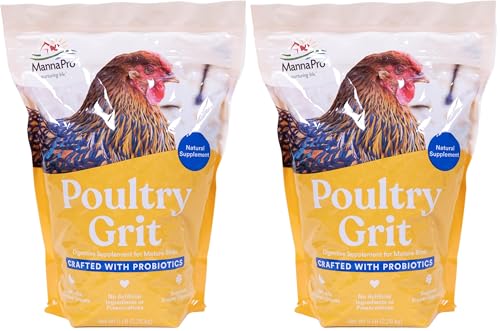
| Manna Pro Poultry Grit with Probiotics | Add-on | If you feed whole treats like these, confined birds need grit to grind them, since a chicken has no teeth and works food in the gizzard instead. |
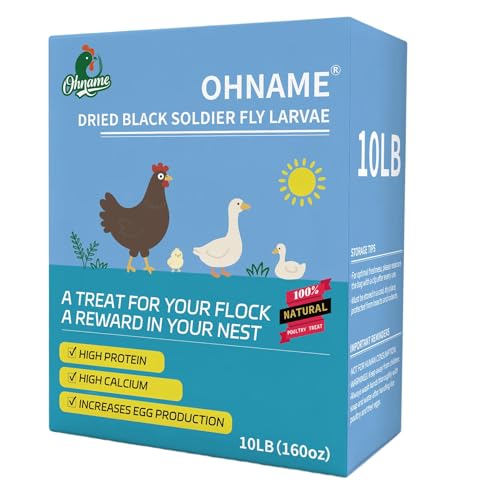
OHNAME 10LB Dried Black Soldier Fly Larvae
The same larvae in the same bag size under a different label, worth checking when the main pick is priced oddly. Like every seller here it publishes no guaranteed analysis, so buy on price and availability rather than a claimed edge.

PROSECT 10LB Black Soldier Fly Larvae
A third label on the same commodity, listed here so you have a real choice if the others are awkward to get. The distinction between grub brands is packaging and price rather than anything either listing demonstrates about the larvae inside.

SANSECT 10LB Dried Mealworms
The treat grubs are usually compared against. Chickens arguably love mealworms even more, but they are calcium-poor and push the calcium-to-phosphorus ratio the wrong way for a hen in lay, which is the reason we lead with grubs instead.
Frequently asked questions
Is the Classic Flock Black Soldier Fly Grubs worth it?
Priced in the same band as mealworms while carrying the better calcium profile for layers, which is the entire value argument and a sound one. Against rival grub brands we can't show a difference, because none of them publish an analysis either, so we rate the category rather than claim this bag beats the one next to it.
How is the Classic Flock Black Soldier Fly Grubs built?
The listing publishes a weight and a description and no guaranteed analysis: no protein, fat, calcium or phosphorus figure, and no origin for the larvae. The class is well understood, but nothing here binds this seller to a number lot to lot, and grub size and dryness vary across the category. We score for that gap rather than for a visible fault.
Is the Classic Flock Black Soldier Fly Grubs reliable and safe for a flock?
Safe as a treat, and better matched to a laying hen than a calcium-poor mealworm because of the calcium-to-phosphorus balance. Two things keep it from scoring higher: a 10 pound bag makes it easy to break the ten percent treat rule, and the ingredient definition that permits these in poultry feed also requires feed-grade rearing substrate, which this listing doesn't disclose.
You Might Also Need
Accessories worth grabbing alongside your purchase