Best Dust Bath Setup and Mite Prevention for Chickens
By ChickenGearGuide · Updated September 2026
Independent editorial guide. We never accept payment for coverage, though we may earn a commission if you purchase through our links.
Quick Take
A dust bath is prevention, not treatment. A dry, sheltered tub of plain sand or loose dirt to bathe in, plus a clean coop and roosts, covers most of what a bath can do against mites and lice. To actually kill mites you treat the coop, and the gear for that is a permethrin poultry dust or spray, used on the environment and never confused with the bath.
The loud debate is diatomaceous earth. Plenty of keepers add food-grade DE to the bath, but the same fine dust that abrades insects irritates a bird's lungs and yours, and a bath sends it straight into the air a hen is breathing. We would keep DE out of the bath and let plain sand do the mechanical work. For a bird that's already infested, this is a vet-and-extension question, not a shopping one.
Our picks are all coop and environment gear, from the dust most keepers name first to a heavier premise spray held in reserve. See picks ↓
A dust bath doesn't cure mites. What it does is give a hen the one thing she uses to manage parasites herself: dry, loose material she can work down to the skin and shake back out. A dry patch of sand or plain dirt the flock can get down into, plus a clean coop, does most of what a bath can do against mites. The gear that actually kills mites is separate, and it goes on the coop, not in the bath.
We should say plainly what we do here. We haven't held this gear or run a coop through a mite season, and nobody in these threads is running a controlled trial, so the sharpest question in the whole subject, whether diatomaceous earth belongs in a dust bath at all, never actually gets settled. What we have is a lot of keepers describing what they do and what happened, read against each other.
The disagreement worth flagging before anything else is that DE question. Plenty of experienced keepers have used food-grade diatomaceous earth for years and swear by a light dusting. Plenty of others, including people who sound like they keep a lot of birds, say the dust wrecks a bird's lungs and yours and does nothing a bath of plain sand doesn't already do. We land closer to the second camp for the bath itself, and we'll show why lower down.
What a dust bath is doing for a hen
Give a chicken dry, fine material and she'll scratch a hollow, settle into it, and throw the stuff up under her feathers with her wings. Then she shakes, and most of it comes back out along with loose skin and bits of feather. Hens do this on their own wherever the ground is dry and loose. The bath is grooming, not medicine, and a bird that can groom carries a lighter parasite load than one standing in mud with nowhere to dry off.
Most keepers give the flock a container to make it easy: a shallow, wide tub, a cut-down feed bin, an old tire, anything a hen can get all the way down into. One keeper with six birds put construction sand in a shallow bin and found they liked a hole they had dug themselves along the base of the run better. That happens a lot. Build them a perfect bath and they'll still use the dry patch under the coop, which is fine, and worth knowing before you spend much. (The old-tire baths look terrible and work as well as anything.)
The diatomaceous earth argument
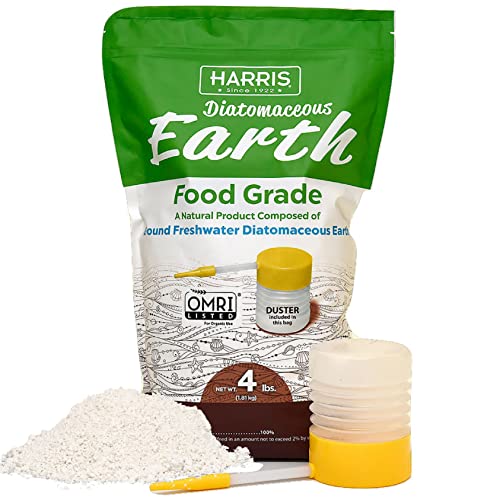
Food-grade diatomaceous earth is fossilized diatom silica ground to a fine powder. It kills insects by abrasion and drying rather than by poison, which is why it gets sold as a natural mite answer. The catch is the same fineness that makes it work. Breathed in, that dust is a lung irritant for the bird and for you, and a dust bath is a machine for throwing powder into the air right where a hen is breathing hardest.
The keepers who use DE aren't careless, and some have used it for over a decade. The ones we find most convincing take real precautions: not in the feed, a light dusting only, eyes and mouth covered, birds out of the coop while it settles. The keepers against it point at the respiratory cost and say sand does the same mechanical job without the silica. Both camps have years behind them, which is exactly why the threads never land on an answer. In a tight, poorly ventilated coop the dust also hangs in the air longer, which is a second reason the bath is the wrong place for it.
Our line here's narrow. We wouldn't fill a dust bath with DE, because a bath is the one spot where you guarantee the bird inhales whatever is in it, and plain sand gives you the dry-grooming benefit without the airborne silica. Using a light dusting in the coop when you strip the bedding is a different call, and reasonable keepers make it. We couldn't establish a clean answer on whether DE prevents mites at all as opposed to just drying the environment out, because nobody in these threads measures it and the one study a keeper actually linked was about powdered sulfur, not DE. So we're leaving that open.
Mites live in the coop, not just on the bird
The mistake that lets an infestation come straight back is treating only the bird. Red mites in particular spend the day in cracks in the roost and the coop wall and climb onto the hen only at night to feed. Treat the bird, miss the coop, and the survivors are waiting the next evening. If one bird has mites, the flock has them, and so does the bedding, which is why the environmental gear matters as much as anything you put on a hen.
To find mites, check the roosts and nest boxes first, running a hand or a paper towel under the perch and looking for the dust and specks that turn up there before a bird ever looks sick. Watch the vent area on the birds too, since that's where the buildup shows. Catching it at the coop is the whole point of checking there, because by the time a hen is visibly suffering the problem is already everywhere.
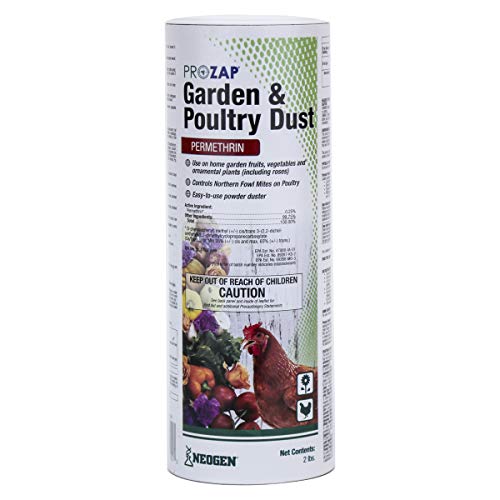
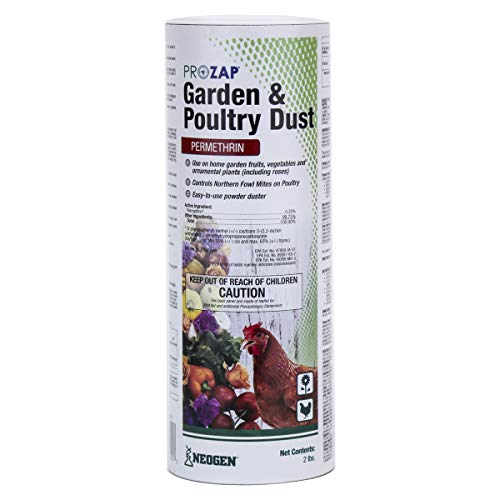
For the coop itself, permethrin is what most keepers reach for. It's a synthetic version of a compound from chrysanthemums, sold as a poultry dust or a premise spray, and it's labeled for use in poultry housing. It's also toxic to cats and to fish, so it stays well away from the barn cat and any pond. We're naming it as the category keepers use on the coop, roosts and nest boxes, not writing you a protocol: amounts, timing and any egg-related cautions live on the product label, and for a bird that's already sick they live with a vet.
A few keepers go a different route on the environment. Some spread beneficial nematodes in the run and report the mite pressure dropping off afterward. Others dust the coop with powdered sulfur, or a garden lime sold for coop use, on the roost boards and in the nest boxes. None of these is a magic bullet, and the evidence for them is keeper reports rather than trials, but they're all aimed at the environment, which is the right place to be aiming.
What actually goes in the bath
The base almost everyone agrees on is dry, loose and fine: sand, or plain dry garden dirt, or a mix of the two. Coarse construction sand is common. Peat moss shows up in a lot of recipes as the fluffy part. Wood ash from a clean fire gets added by some keepers for its own reasons, and it's one of the few additions birds seem happy to eat, for better or worse.
Keepers who blend their own tend to add things in small amounts and rotate what they use. The one warning that comes up over and over is that hens treat the bath as a buffet, and fancy herbal blends in particular get eaten with more enthusiasm than they ever get bathed in. Kept simple, dry, and covered from the rain, the bath does its job without much help.
The single rule we would hold to is that whatever goes in the bath, the birds are going to breathe it and some of them are going to eat it. That's the test for any additive. Sand passes that test, and a cloud of fine silica doesn't, which is the whole case against loading a bath with DE.
When it's past prevention
Everything above is prevention. Once a bird is visibly infested, pale in the comb, dropping weight, with crusting around the vent or raised, scaly leg scales, you're past what a dust bath fixes. That's a treatment question, and it isn't one to work out from a forum thread. The keepers who have been through it tend to say the same three things: get the bird looked at, treat the whole flock, and strip the coop, because a bath was never going to catch up with a live infestation.
For that stage, talk to a vet or your state's university poultry extension service. They can tell you what's actually cleared for laying hens where you live, what the egg cautions are, and what fits your particular situation, which is exactly the part a gear guide has no business guessing at. Scaly leg mites, the kind that burrow under the leg scales, are their own separate problem and worth naming to whoever you call.
The bottom line
Give the flock a dry, sheltered place to dust bathe in sand or plain dirt, and treat that as prevention rather than cure. Keep the coop clean and check the roosts and nest boxes for mites before the birds tell you. Keep the fine powders out of the bath itself, DE included, and if you use DE at all, use it lightly in the coop with your own lungs protected. The gear worth buying is aimed at the environment: a permethrin poultry dust for the coop is the one most keepers reach for, a ready-to-use spray if you would rather not handle loose powder, and a stronger premise product held back for a problem that keeps returning.
The picks below are all coop-and-environment gear, ranging from a cheap bag of dust up to a serious premise concentrate, and there's no bath-filler among them on purpose. The cheapest one is also the one most threads name first, which doesn't happen often and is worth saying out loud.
Recommended
Products related to this guide.


What keepers report
Across about fifty comments, dust bathing itself is treated as ordinary prevention rather than a cure, with sand or plain dry dirt the near-universal base and a shallow open container the usual setup. The one genuinely contested question is diatomaceous earth. Longtime users report a light dusting works and swear by food-grade DE, while a large group, including keepers who sound the most experienced, warn that the fine dust harms the respiratory system of both birds and people and that plain sand does the same mechanical job without the silica.
Several land in the middle, using DE lightly in the coop but keeping it out of the bath. On killing mites rather than preventing them, keepers converge on permethrin as the coop treatment, with a few naming spinosad premise products, beneficial nematodes, sulfur or coop lime, alongside a steady reminder that mites live in the bedding and roosts so the whole environment has to be dealt with and not just the bird. The strongest single throughline is that an active infestation is a treatment problem for a vet, not something a dust bath was ever going to fix.
Verbatim reports from the keeper threads we drew on, each linking back to the original post.
“Having a dust bath spot always available to your hens helps reduce the odds of mites. Mites can be brought in by wild birds and sometimes rodents. If you see signs of mites (run towel under perches and see blood, see hens with messy butts, dust like buildup around the hen's vent) then treat with meds. DE can cause respiratory harm. Generally sand or dirt is enough for a dirt bath”
— r/BackYardChickens / Possibly-deranged
“IMO the DE isn't necessary & probably hurts their respiratory system more than it helps with any external parasite prevention. Adding sand would be fine though.”
— r/BackYardChickens / Fit_Spring_5686
“Diatomaceous earth is nice, but it won't kill these mites.”
— r/BackYardChickens / maybelle180
“NO DE. Powdered sulfur with their dust bath.”
— r/BackYardChickens / getoutdoors66
“I put DE in their dust baths, but use permethrin in the coop. DE is a respiratory irritant, prefer to keep it to small amounts and outside.”
— r/BackYardChickens / Brilliant_Armadillo9
“I use DE but NOT in their food. It's only a very light dusting in their coop, run and in their fave dust bath spots. It has worked very well, touch wood.”
— r/BackYardChickens / MoonDrops
“I've used food grade DE for over a decade with no problems. I sprinkle it over the top when I change the shavings. You just have to make sure to cover your eyes and mouth and keep the chickens out of the coop while you do it.”
— r/BackYardChickens / Oliver_The_Tiel
“The main ingredient in my dust bath formula is peat moss but I add diatomaceous earth, rough sand, Saturday Morning Lime and wood ash occasionally. I haven't seen any evidence of mites or lice (knock on wood ash lol). I tried the fancy blend of herbs but that seemed to inspire them to eat their dust bath with great interest.”
— r/BackYardChickens / Poodlelucy
“I make my little 6-bird flock a dust bath in a shallow, wide container using construction sand and a little de. They just use it like a litter box and now they've dug a hole along the base of their run and they seem to enjoy that much more.”
— r/BackYardChickens / Impossible_Ad9324
“Is there a definitive answer to the DE vs no DE debate? The comments I would read when I first got chickens scared me off from it, but I see so many people say it's been their mite prevention for decades with no issue.”
— r/BackYardChickens / elvisprezlea
“Permethrin is safe for chickens, I have successfully used it to control mites for years. Just keep it away from your cats.”
— r/BackYardChickens / Archaic_1
“grab a bird every so often and give them a once over looking for mites, lice, or anything else that looks out of place. When I'm out getting eggs I check around the coop for mites--mostly on the perches and in the nest boxes.”
— r/BackYardChickens / geutral
“If one has mites they all have them and so does their bedding & coup”
— r/BackYardChickens / Significant-Noise904
“2 months is a long time to have mites. Please get her checked by a vet and on meds.”
— r/BackYardChickens / Latony8338
“Nematodes - tried them last year and had almost no issues with mites since.”
— r/BackYardChickens / Mattypants05